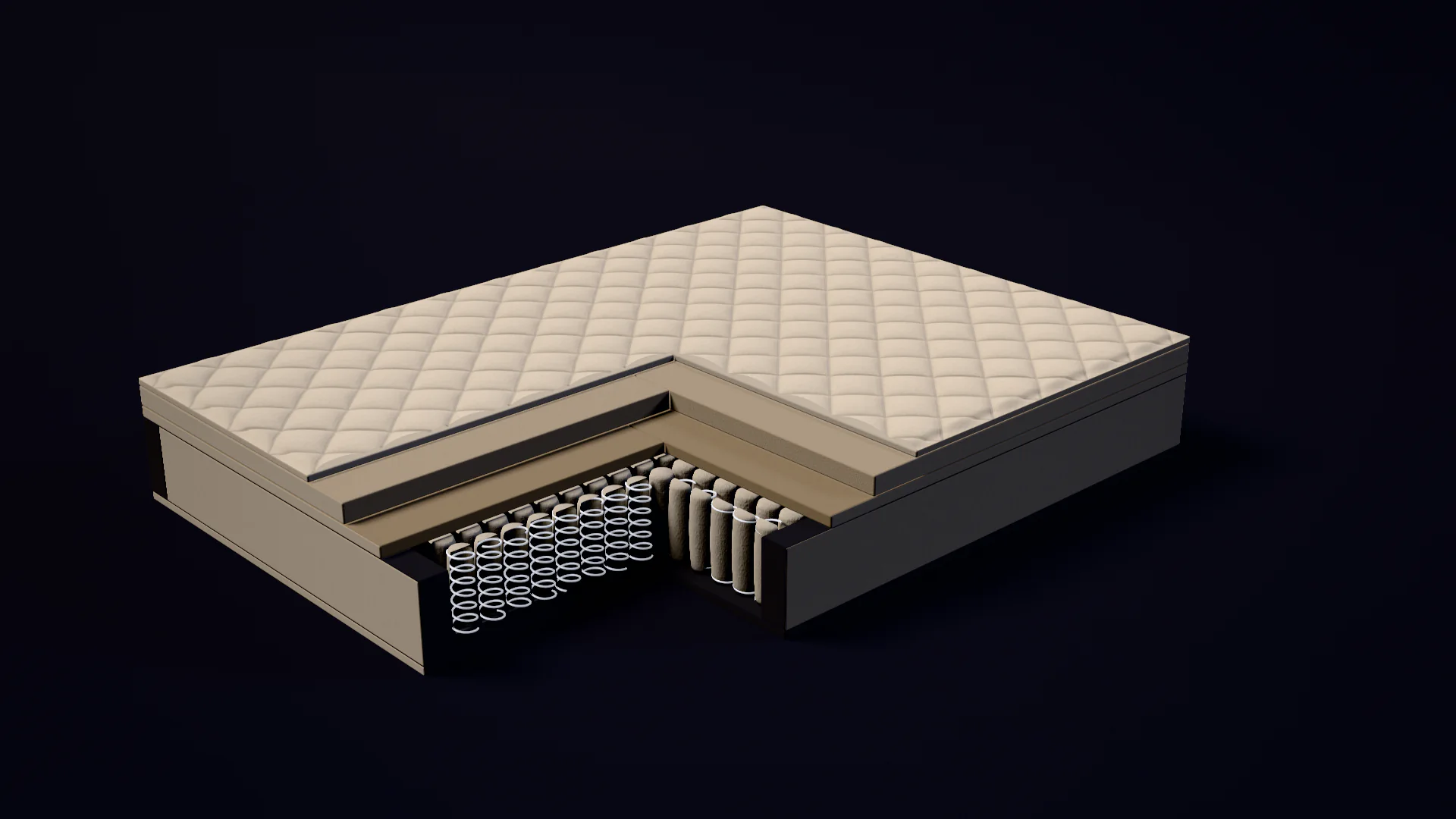
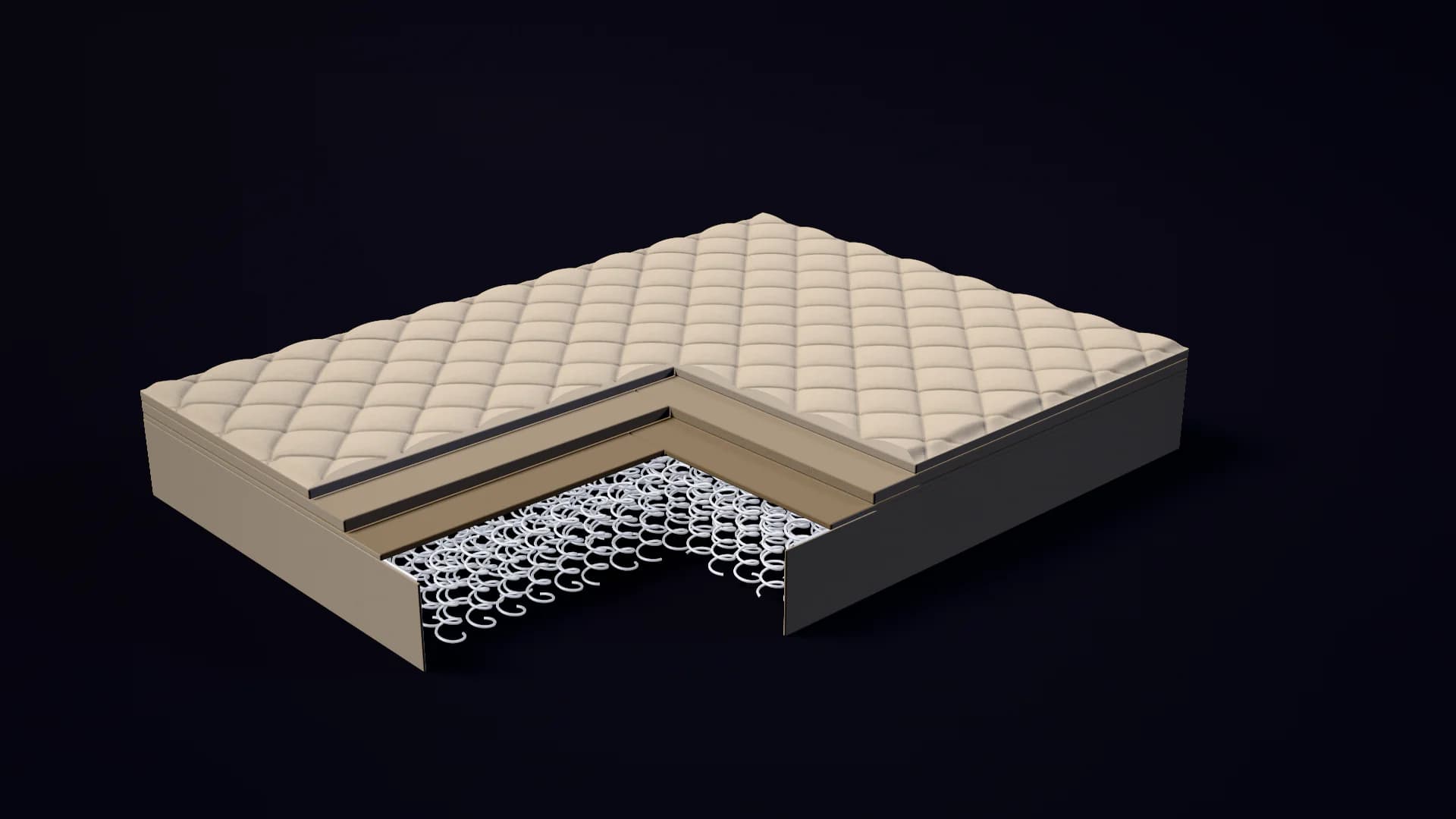
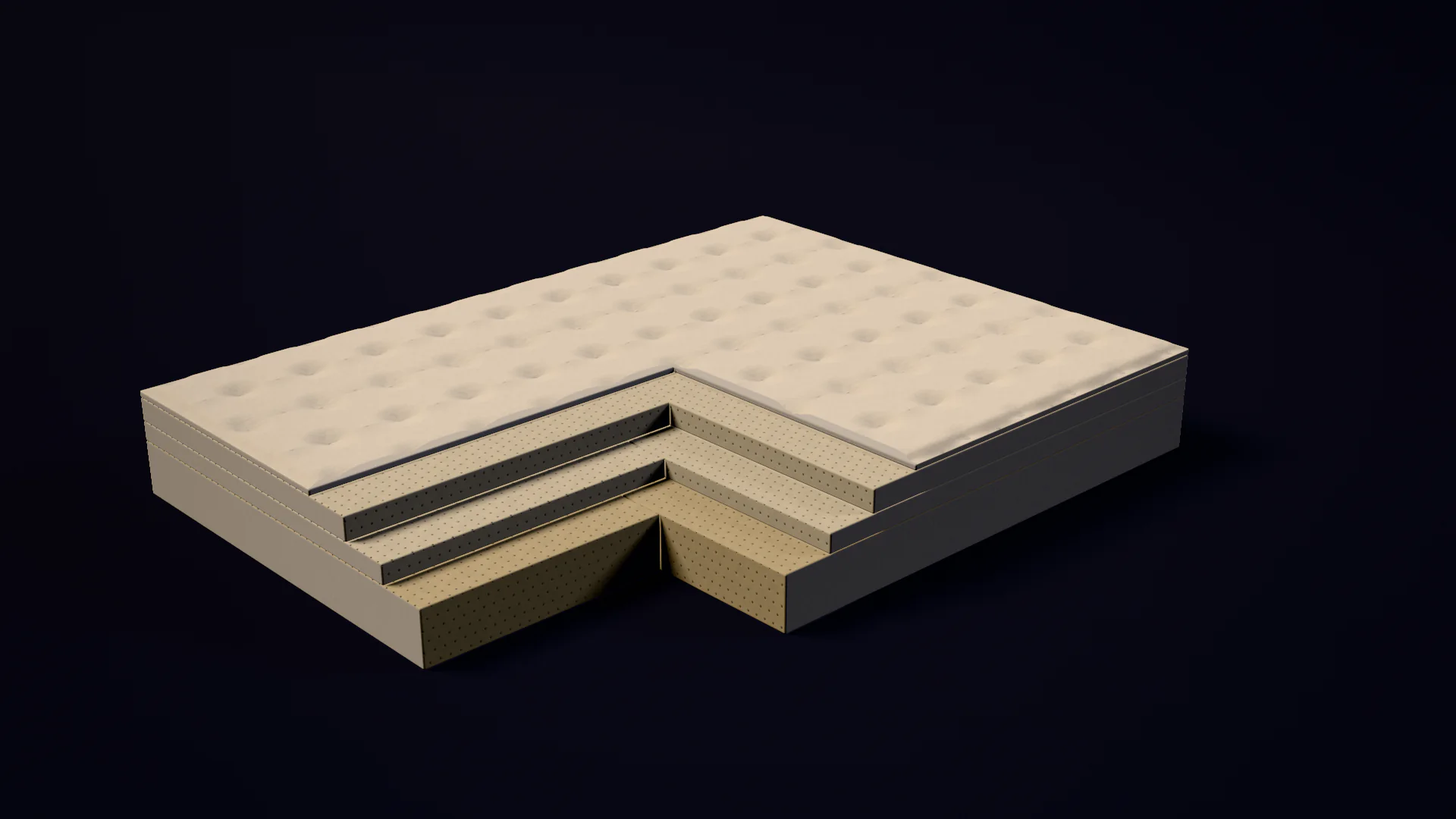
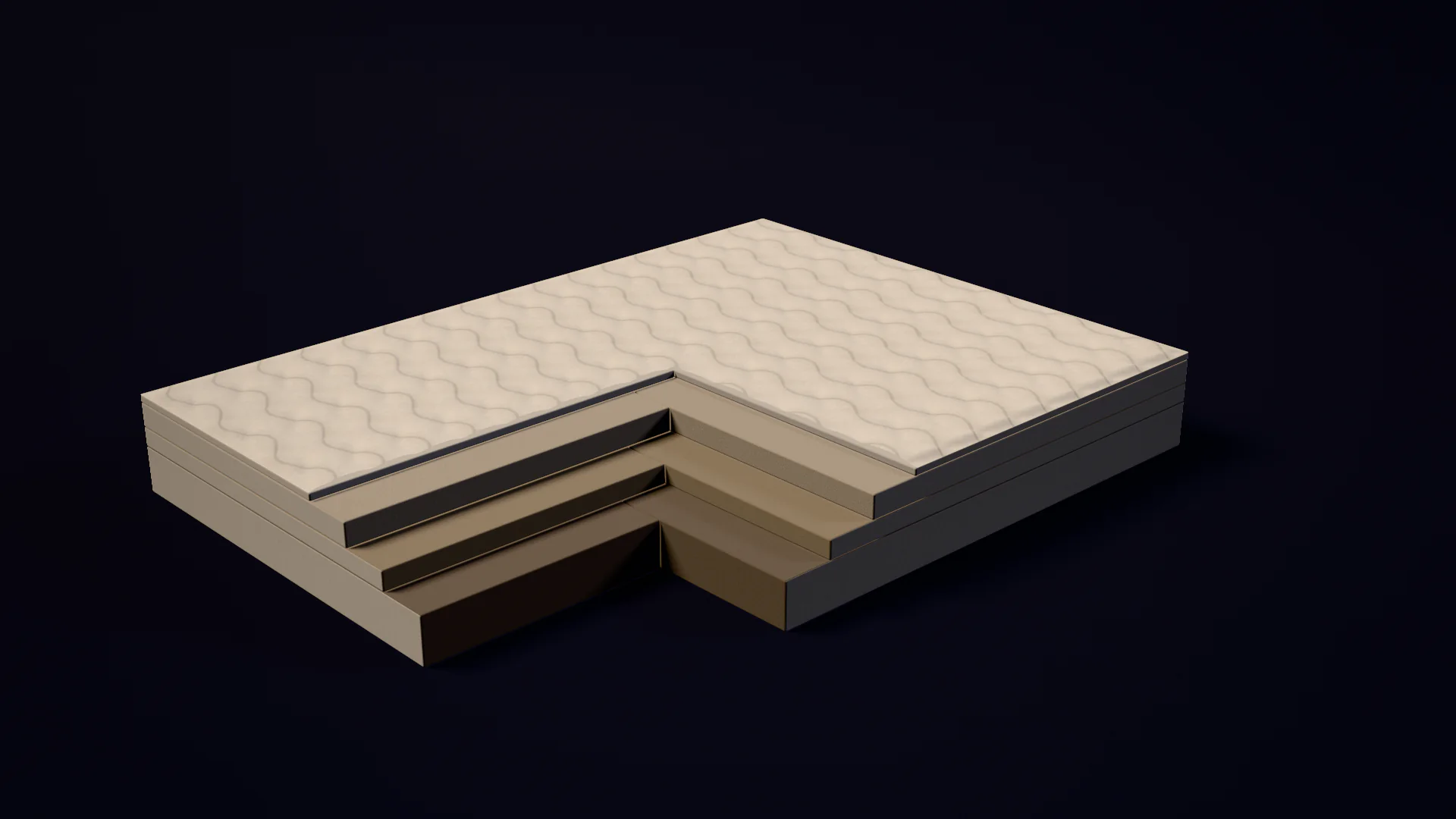
Why side sleeping needs more give
Lying on your side puts your weight onto a much smaller area than lying on your back. Most of it lands on two places: the point of the shoulder and the hip. Your waist bridges the gap between them.
A surface that does not give at those two points pushes back hard there. That is what people usually mean by pressure points: the shoulder that feels squashed by morning, the hip you keep turning off. A surface with enough give lets the shoulder and hip settle in until more of your side is in contact and the load is spread more evenly.
How much give you need
The answer depends mostly on your weight. A lighter body sinks less into the same materials, so it needs a softer surface to get the same contact. A heavier body sinks further and needs a firmer one to stop the hip bottoming out.
| Body weight | Comfort window |
|---|---|
| Under 130 lb | 2–5/10 |
| 130–179 lb | 3–6/10 |
| 180–229 lb | 5–8/10 |
| 230 lb and up | 6–9/10 |
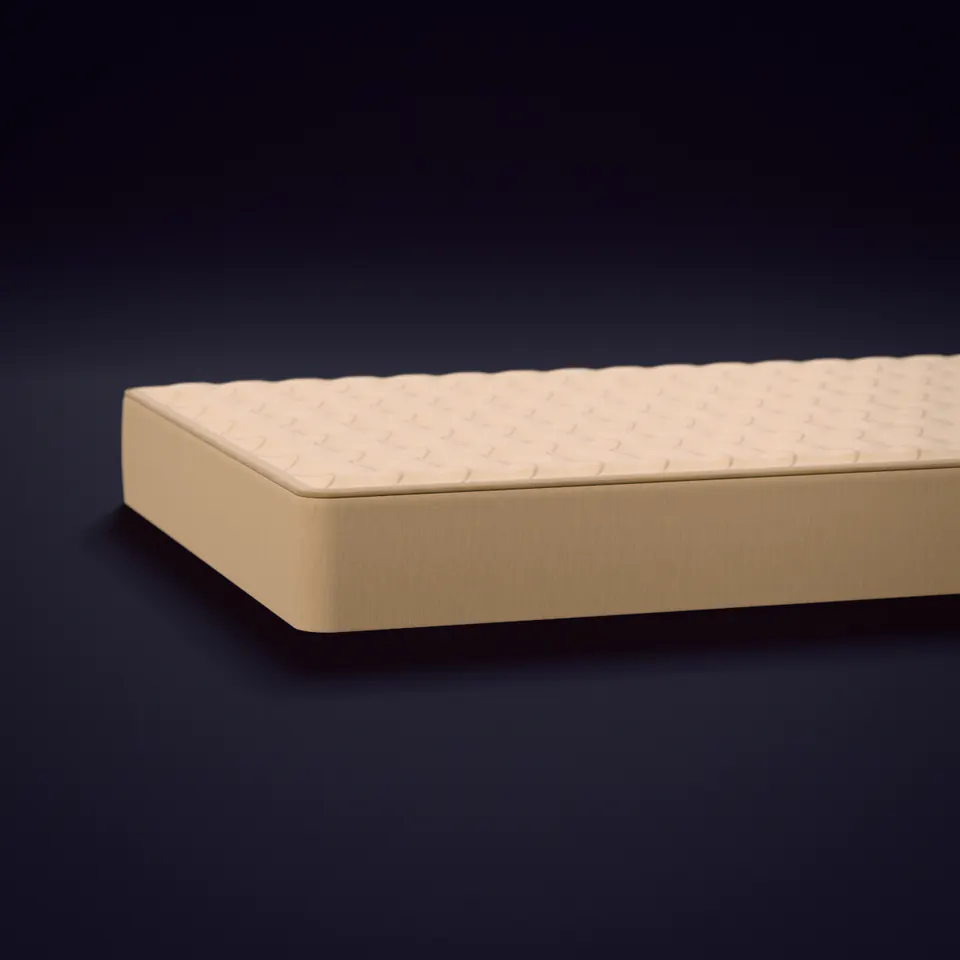
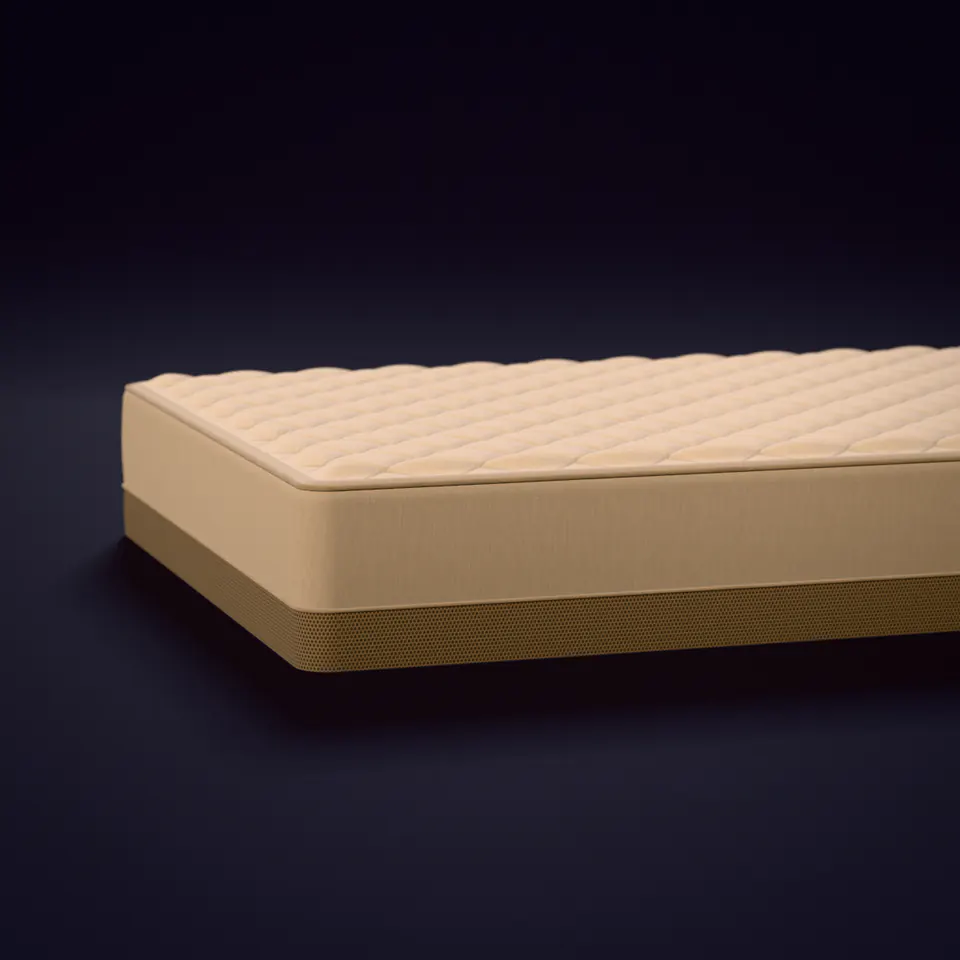
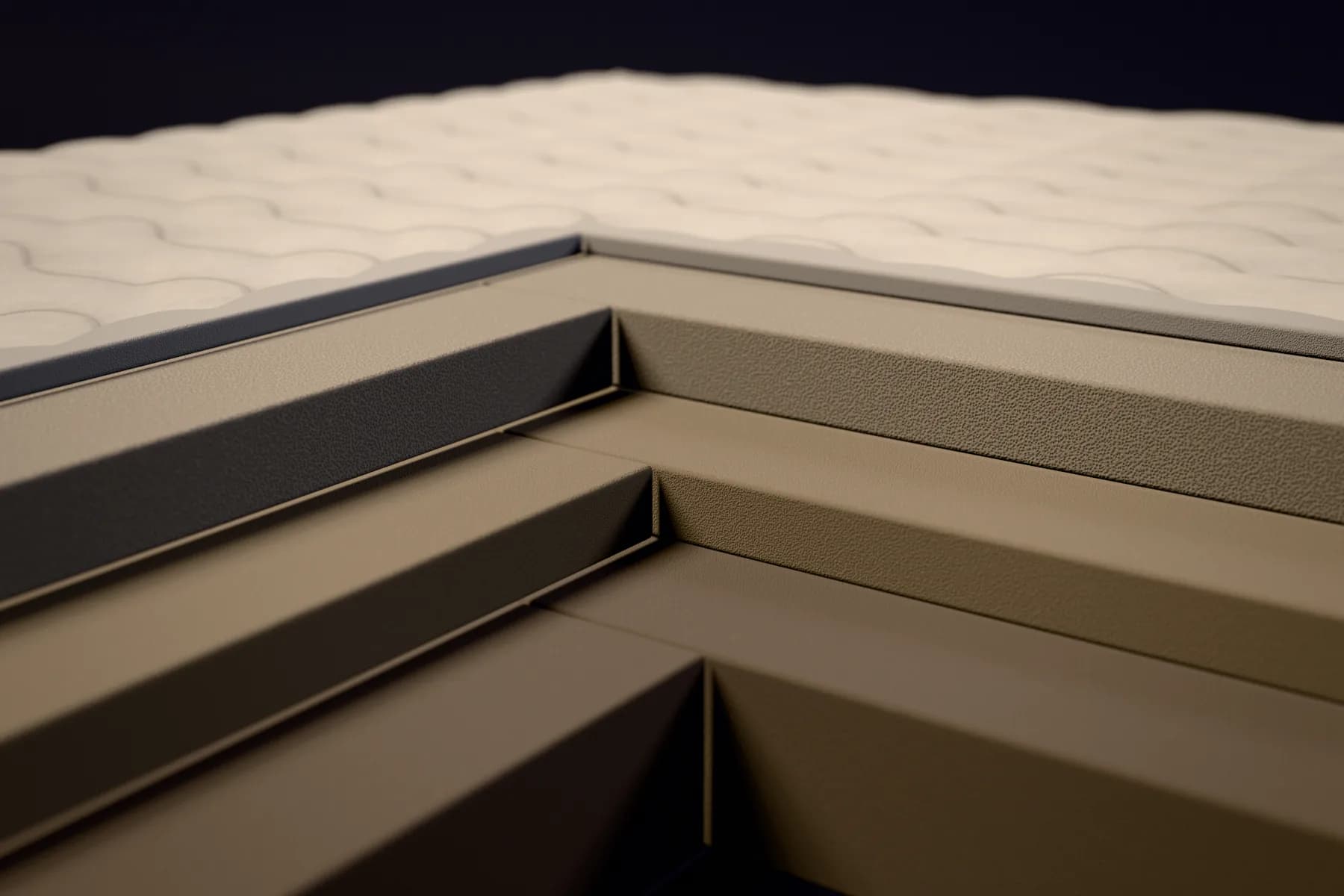
The depth of the comfort layers matters as well as the firmness number. A thin soft layer over a hard core can let the shoulder reach the core, so a mattress with a modest firmness rating can still feel hard at the shoulder. Check what the brand publishes about its comfort layers to spot this.
Where softer stops helping
Your hips and pelvis usually carry more weight than your shoulder. On a surface that is too soft for your weight, the hip keeps sinking after the shoulder has settled, and your spine bends down towards the mattress at the waist. You trade shoulder comfort for an awkward line through the lower back.
That is why the engine scores pressure relief and support separately. A mattress softer than your window can still score well on pressure relief while losing points on support, and your results will show both. When it falls outside your window, you will also see a watch-out explaining which way it misses.
How the engine scores it
Pressure relief starts from a value for the construction type and is then adjusted by where the mattress’s firmness sits in your window: softer within the window adds more, firmer than the window takes points away for each point it is over.
- As a side sleeper, pressure relief counts 1.3× its default weight in your overall score.
- If you report shoulder discomfort, it counts a further 1.4×. Hip discomfort raises both pressure relief (1.25×) and support (1.15×), because hips need cushioning and a level line.
- If pressure relief scores below 6.5/10 for you, your results show a watch-out, with a suggestion such as a softer comfort layer or a topper.
Weights are then re-balanced so they always add up to 100%, and your results explain which of your answers changed the weighting. The full model is on How It Works.
What to check before you buy
- Find your comfort window for your weight, then look for mattresses whose firmness falls inside it.
- Look at what the comfort layers are made of and how thick they are, not just the overall firmness label.
- If you share the bed, check motion isolation too, especially if either of you changes position often.
- Use the trial properly. Shoulder comfort in the first nights is not the full picture; see our buying checklist.