Sleep position

Mattresses for combination sleepers

If you change position through the night, you need a mattress that is good at everything and bad at nothing.

Combination sleepers: comfort window by body weight
Body weightComfort window
Under 130 lb4–7/10
130–179 lbExample profile on this page5–8/10
180–229 lb6–9/10
230 lb and up7–10/10

Firmness on a 1–10 scale, from scoring rules v0.2. Updated .

What combination sleeping means for a mattress

Combination sleepers move between positions during the night, most often side and back, sometimes stomach. If you often wake in a different position from the one you fell asleep in, this is probably you.

The challenge is that each position wants something slightly different. A mattress that suits only one of them will feel wrong for part of the night, so balance matters more than any single strength.

What matters

Three things to get right

  1. Support & alignment

    Balanced support

    The engine uses the same comfort window for combination sleepers as for back sleepers and applies no position boost, so every dimension keeps its default weight.

  2. Pressure relief

    Enough give for side time

    The side-sleeping part of the night still needs some cushioning at the shoulder and hip, so a very firm surface can be a poor fit.

  3. Motion isolation

    Responsiveness and motion

    Changing position is easier on a surface that springs back quickly. If you share the bed, frequent movement makes motion isolation more important for your partner.

How much each dimension countsFor the example combination sleeper below, compared with the default weights.
DimensionWeight for this profileDefault weight
Pressure relief20%20% default
Support & alignment25%25% default
Cooling15%15% default
Motion isolation15%15% default
Edge support15%15% default
Durability10%10% default

No position rule applies, so every dimension keeps its default weight.

The thin mark on each bar is the default weight. Weights are re-balanced to total 100%, so when one rises the others fall slightly. Your own answers (temperature, partner, pain, edge, weight) change them further.

Firmness considerations

Combination sleepers usually do best near the middle of the scale, the overlap between what side and back sleeping need. The window moves up with weight like every other position.

If one position clearly dominates your night, tell the quiz that position instead. A more specific answer gives a more specific comfort window.

Read more in how to choose mattress firmness.

Ranked by the Match Score engine

Highest-ranked for a combination sleeper

For the example profile below (combination sleeper, 170 lb, prefers medium, neutral temperature), these rank highest in the current catalog.

Example profile used for this ranking

  • Combination sleeper
  • 170 lb
  • Prefers medium
  • Neutral temperature
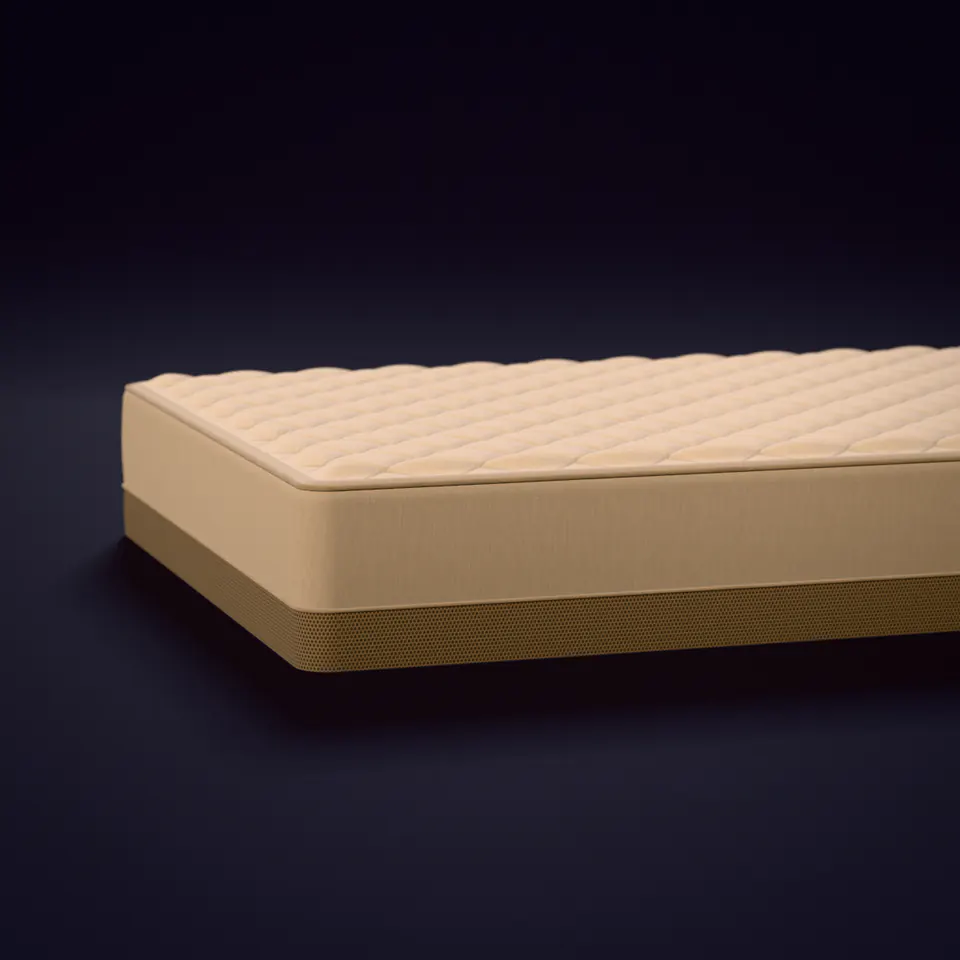
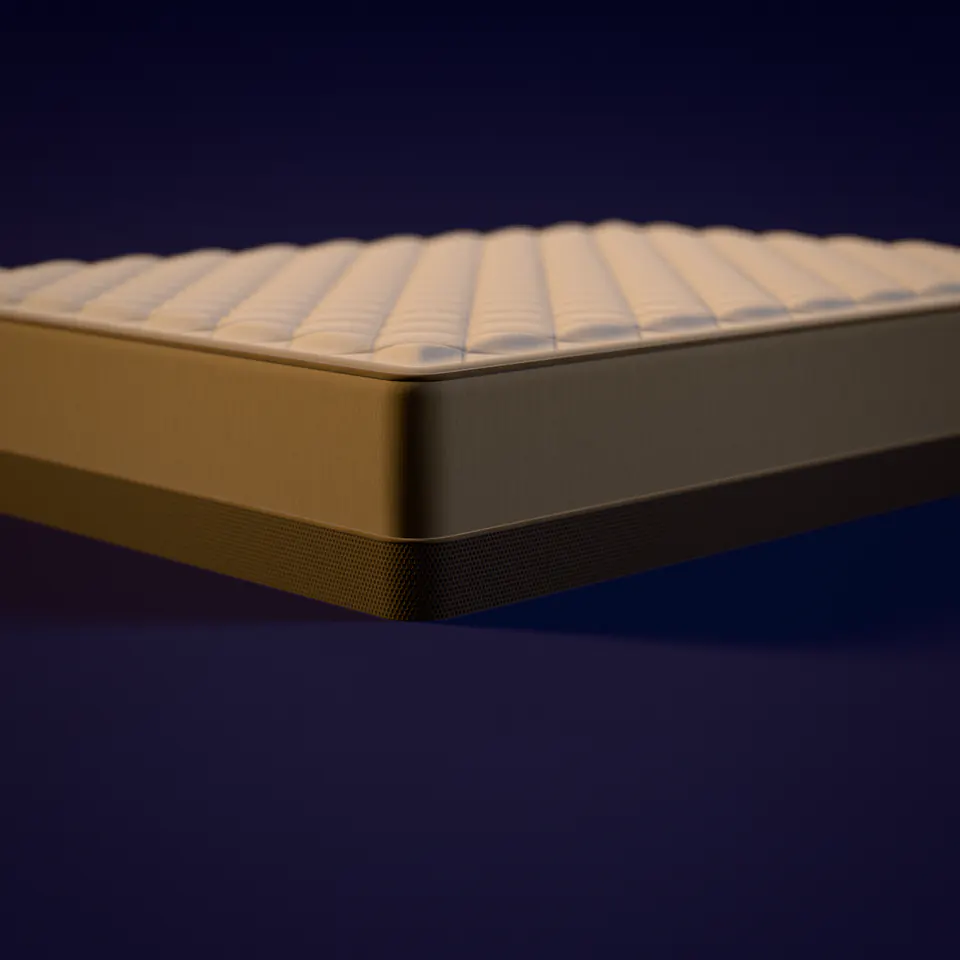
  1. Illustration of a hybrid mattress — not a product photo

    Rank 1: Helix

    Helix Plus

    Strong match85/100 for the example profile

    Its firmness (about 7/10) sits inside the 5–8/10 range that keeps a combination sleeper at your weight aligned.

    Type
    Hybrid
    Firmness
    Medium-firm
    Queen price
    Price not yet verified
    Trial
    100 nights
  2. Illustration of a hybrid mattress — not a product photo

    Rank 2: Purple

    Purple Restore Hybrid

    Strong match85/100 for the example profile

    Its firmness (about 5.5/10) sits inside the 5–8/10 range that keeps a combination sleeper at your weight aligned.

    Type
    Hybrid
    Firmness
    Medium
    Queen price
    $2,699
    Trial
    100 nights
  3. Illustration of a hybrid mattress — not a product photo

    Rank 3: Avocado

    Avocado Green Mattress

    Strong match84/100 for the example profile

    Its firmness (about 5.8/10) sits inside the 5–8/10 range that keeps a combination sleeper at your weight aligned.

    Type
    Hybrid
    Firmness
    Several options · 3⁠–⁠8.5/10
    Queen price
    Price not yet verified
    Trial
    365 nights

Scores are calculated live by scoring model v0.2 for the example profile above, not for you. Change any answer and the order can change. No brand paid to appear here.

FAQ

Combination sleepers: common questions

What firmness is best for combination sleepers?

In our scoring model the comfort window for a combination sleeper is the same as for a back sleeper: 4–7/10 under 130 lb, rising to 7–10/10 at 230 lb and up. Medium to medium-firm mattresses often land inside it.

How do I know if I am a combination sleeper?

If you often wake in a different position from the one you fell asleep in, or regularly turn from side to back, you are likely a combination sleeper. If one position clearly dominates, answering with that position gives a more specific result.

Which mattress types suit combination sleepers?

Responsive constructions such as hybrids and latex make it easier to change position than slow-response foam. That is a general tendency, not a rule; the engine scores each mattress on its own ratings where they exist.

Your weight moves the window. Your answers move the ranking.

Start the quiz as a combination sleeper and add your weight, temperature and partner to see your own comfort window and matches.