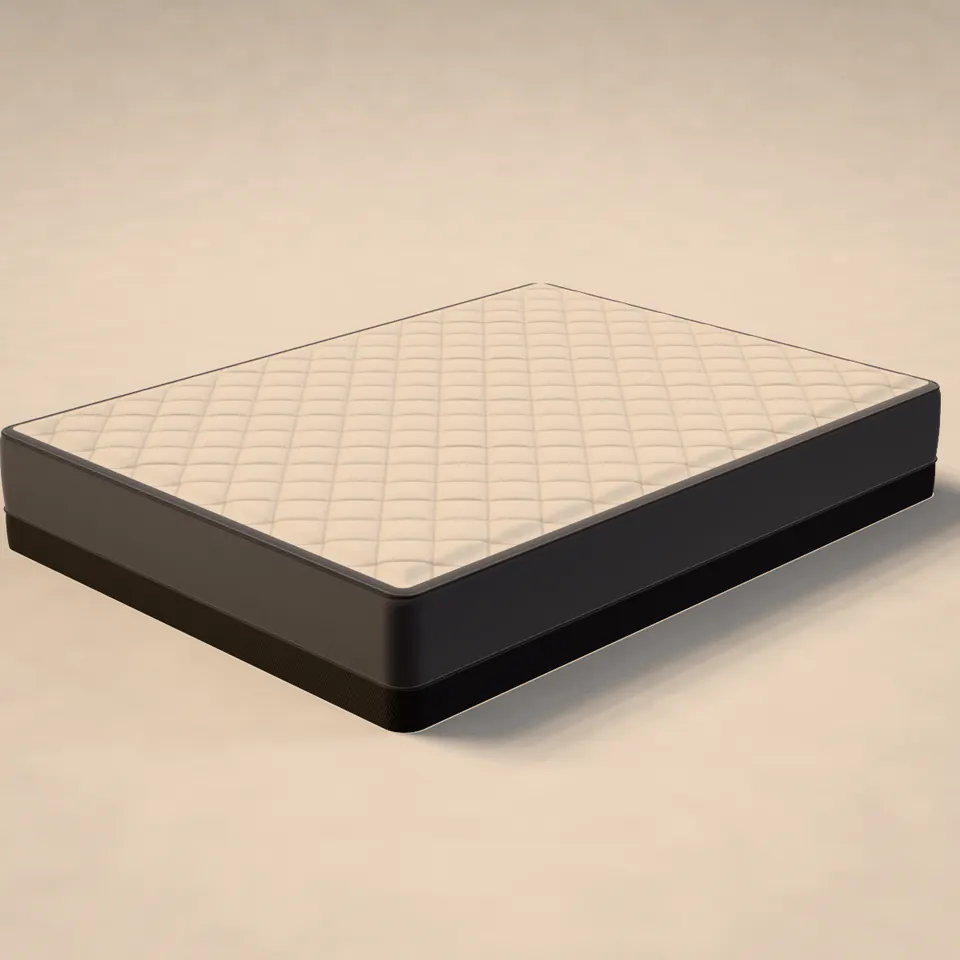
Rank 1: Casper
Casper Snow
Strong match83/100 for the example profile
Its firmness (about 5/10) sits inside the 3–6/10 range that keeps a side sleeper at your weight aligned.
- Type
- Hybrid
- Firmness
- Medium
- Queen price
- $2,720
- Trial
- 100 nights
Sleep position
Your shoulder and hip carry most of the load. The right mattress lets them sink in just far enough, and no further.
| Body weight | Comfort window |
|---|---|
| Under 130 lb | 2–5/10 |
| 130–179 lbExample profile on this page | 3–6/10 |
| 180–229 lb | 5–8/10 |
| 230 lb and up | 6–9/10 |
Firmness on a 1–10 scale, from scoring rules v0.2. Updated .
Side sleeping means lying mostly on one side, often with knees bent. The Sleep Foundation describes it as the most common sleep position.
The defining feature for a mattress is the contact area. On your side, a narrow strip of shoulder and hip presses into the surface while your waist bridges the gap between them. A surface that is too firm pushes back hard at those two points; one that is too soft lets the hip sink further than the shoulder and bends the spine sideways.
Source: Sleep Foundation: Best sleeping positions (opens in a new tab)
What matters
Pressure relief
Comfort layers need enough depth and give for the shoulder and hip to settle in. For a side sleeper the engine weights pressure relief more heavily than for any other position.
Support & alignment
Give without support lets the heavier hip sink out of line. Look for a supportive core under the comfort layers, especially above about 180 lb, where the firmness window moves up.
Motion isolation
Side sleepers often change sides through the night. If a partner is a light sleeper, a surface that absorbs movement matters more.
| Dimension | Weight for this profile | Default weight |
|---|---|---|
| Pressure relief | 25%▲ up | 20% default |
| Support & alignment | 24%▼ down | 25% default |
| Cooling | 14%▼ down | 15% default |
| Motion isolation | 14%▼ down | 15% default |
| Edge support | 14%▼ down | 15% default |
| Durability | 9%▼ down | 10% default |
The thin mark on each bar is the default weight. Weights are re-balanced to total 100%, so when one rises the others fall slightly. Your own answers (temperature, partner, pain, edge, weight) change them further.
Side sleepers sit at the softer end of the scale, but the window moves with weight. A lighter side sleeper can be comfortable on a mattress that would let a heavier one bottom out at the hip.
If you are between two firmness options, the deciding question is usually your weight and whether you spend part of the night on your back, which needs a little more support.
Read more in how to choose mattress firmness.
Ranked by the Match Score engine
For the example profile below (side sleeper, 160 lb, prefers medium-soft, neutral temperature), these rank highest in the current catalog.
Example profile used for this ranking
Rank 1: Casper
Strong match83/100 for the example profile
Its firmness (about 5/10) sits inside the 3–6/10 range that keeps a side sleeper at your weight aligned.
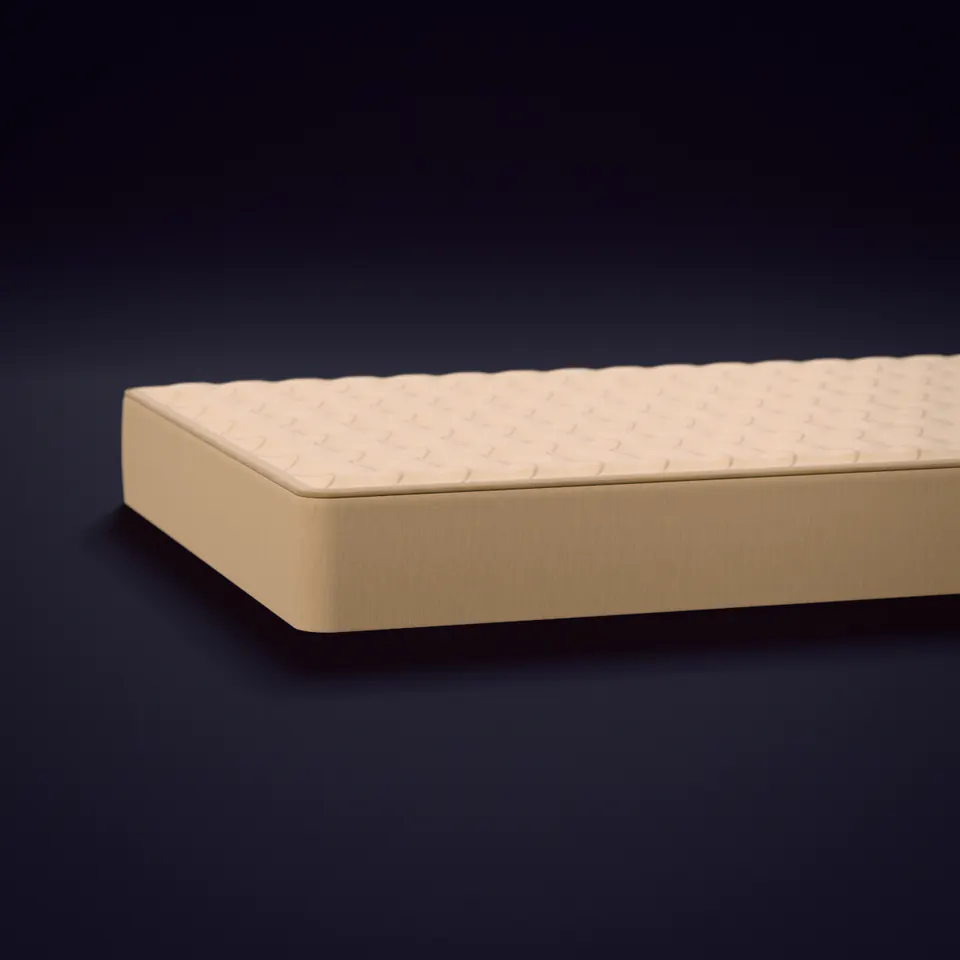
Rank 2: Casper
Strong match83/100 for the example profile
Excellent pressure relief: at about 4/10 firmness, shoulders and hips can settle in rather than press against the surface. That matters most for side sleepers.
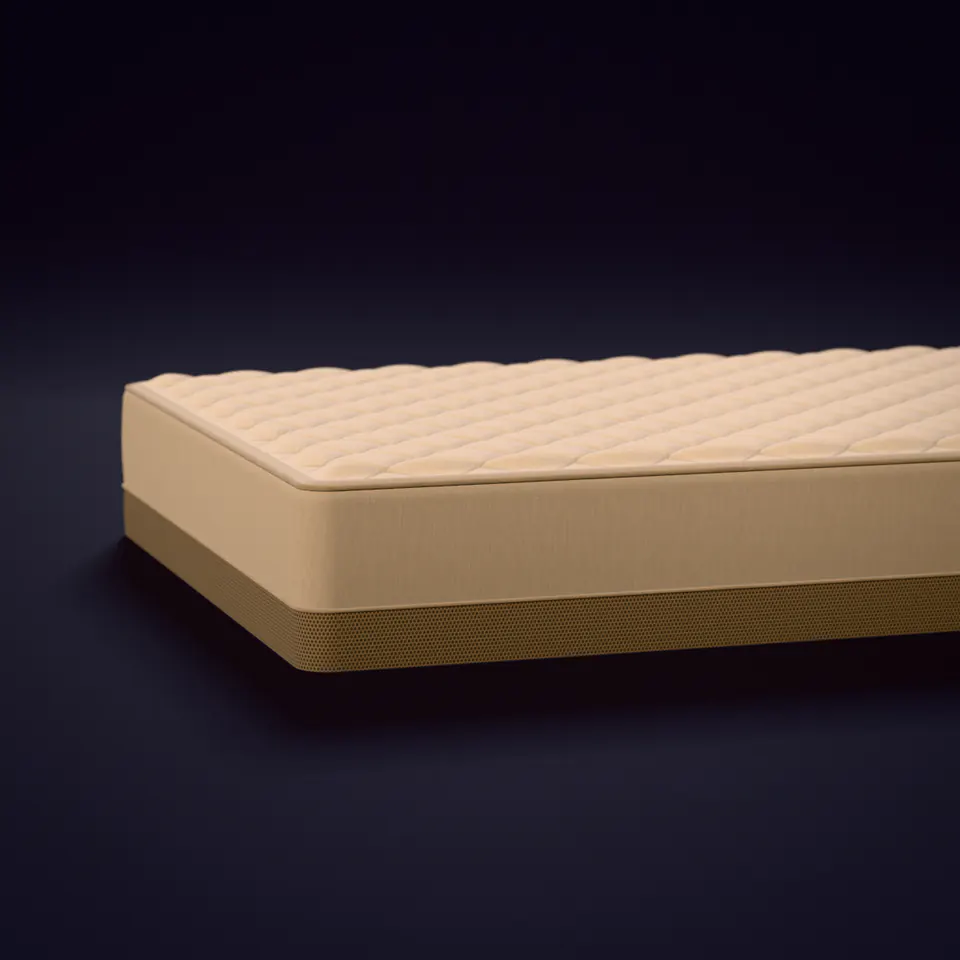
Rank 3: Purple
Strong match82/100 for the example profile
Its firmness (about 5.5/10) sits inside the 3–6/10 range that keeps a side sleeper at your weight aligned.
Scores are calculated live by scoring model v0.2 for the example profile above, not for you. Change any answer and the order can change. No brand paid to appear here.
FAQ
There is no single answer, because the comfort window moves with body weight. In our scoring model the window for a side sleeper runs from 2–5/10 under 130 lb to 6–9/10 at 230 lb and up. Within that window, your own stated preference decides the rest.
No. Softer helps the shoulder and hip sink in, but past a point the hip sinks further than the shoulder and the spine bends. The engine checks both: pressure relief and support are scored separately, and a mattress softer than your comfort window loses support points.
Any type can work if the comfort layers are deep enough and the firmness lands in your window. All-foam and hybrids with thick foam comfort layers tend to cushion well; traditional innersprings usually have the thinnest comfort layer. Where an independent rating exists, the engine uses the rating rather than the type.
Start the quiz as a side sleeper and add your weight, temperature and partner to see your own comfort window and matches.