What a mattress can and cannot do
Your body temperature naturally drops as you fall asleep and through the night. Heat has to go somewhere, and the mattress is the surface it meets most. A mattress that lets heat and air move away keeps the area around you closer to the room. One that holds heat lets the surface warm up underneath you.
That is the whole job. No mattress is a cooling device, whatever the product page says. The question to ask is whether it adds to the problem.
Construction matters more than features
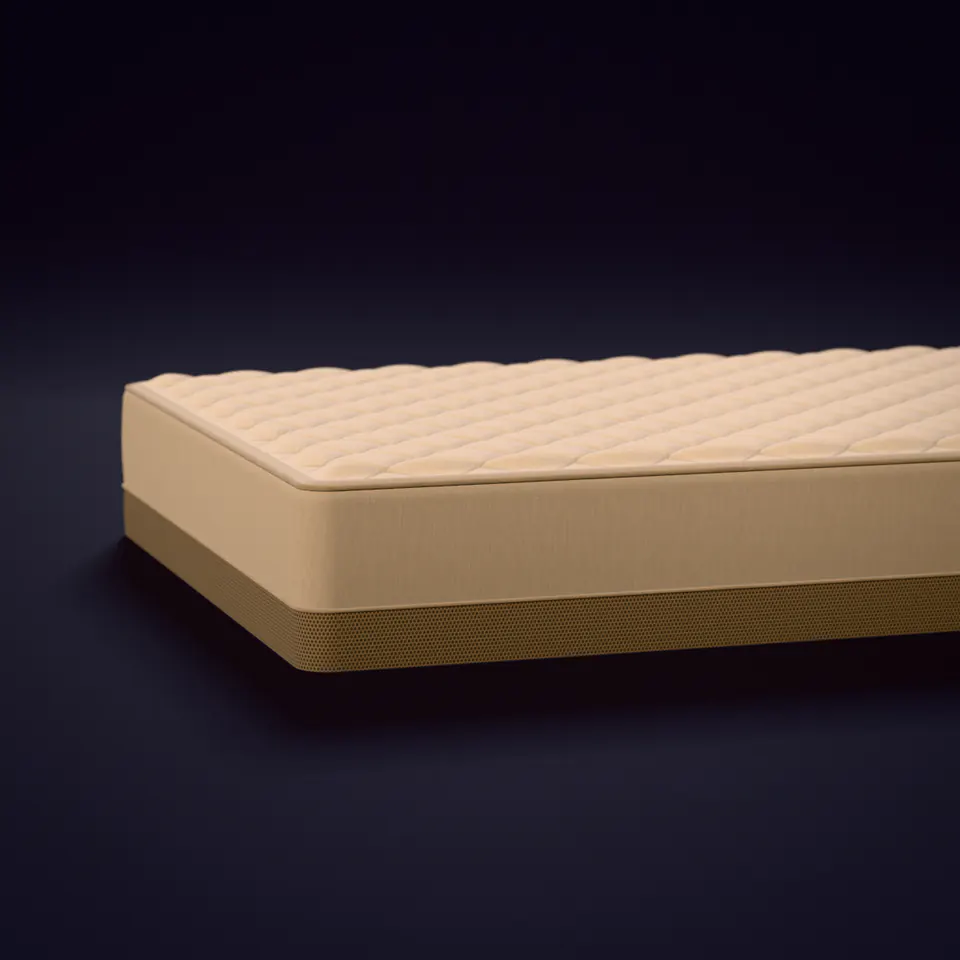
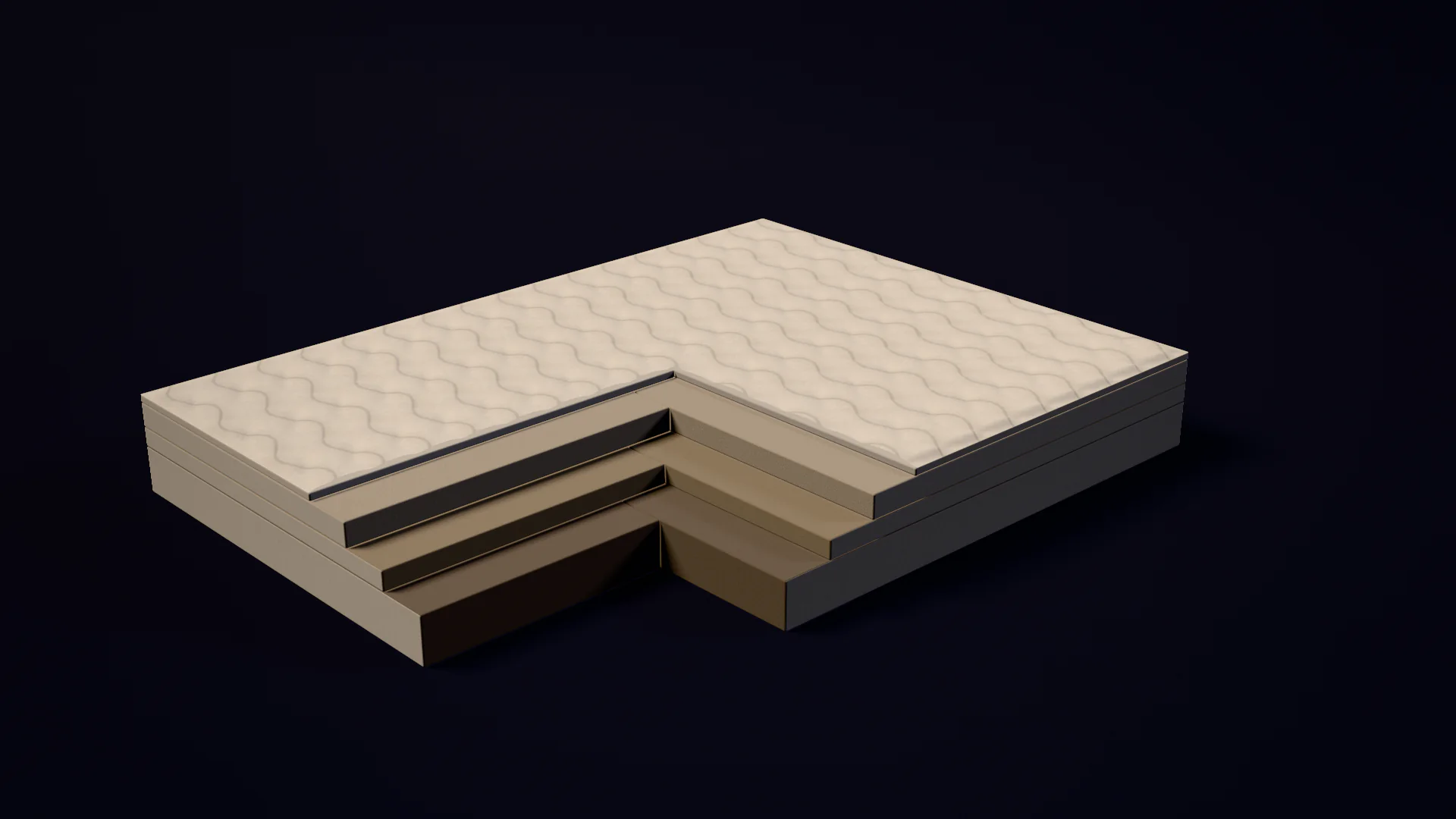
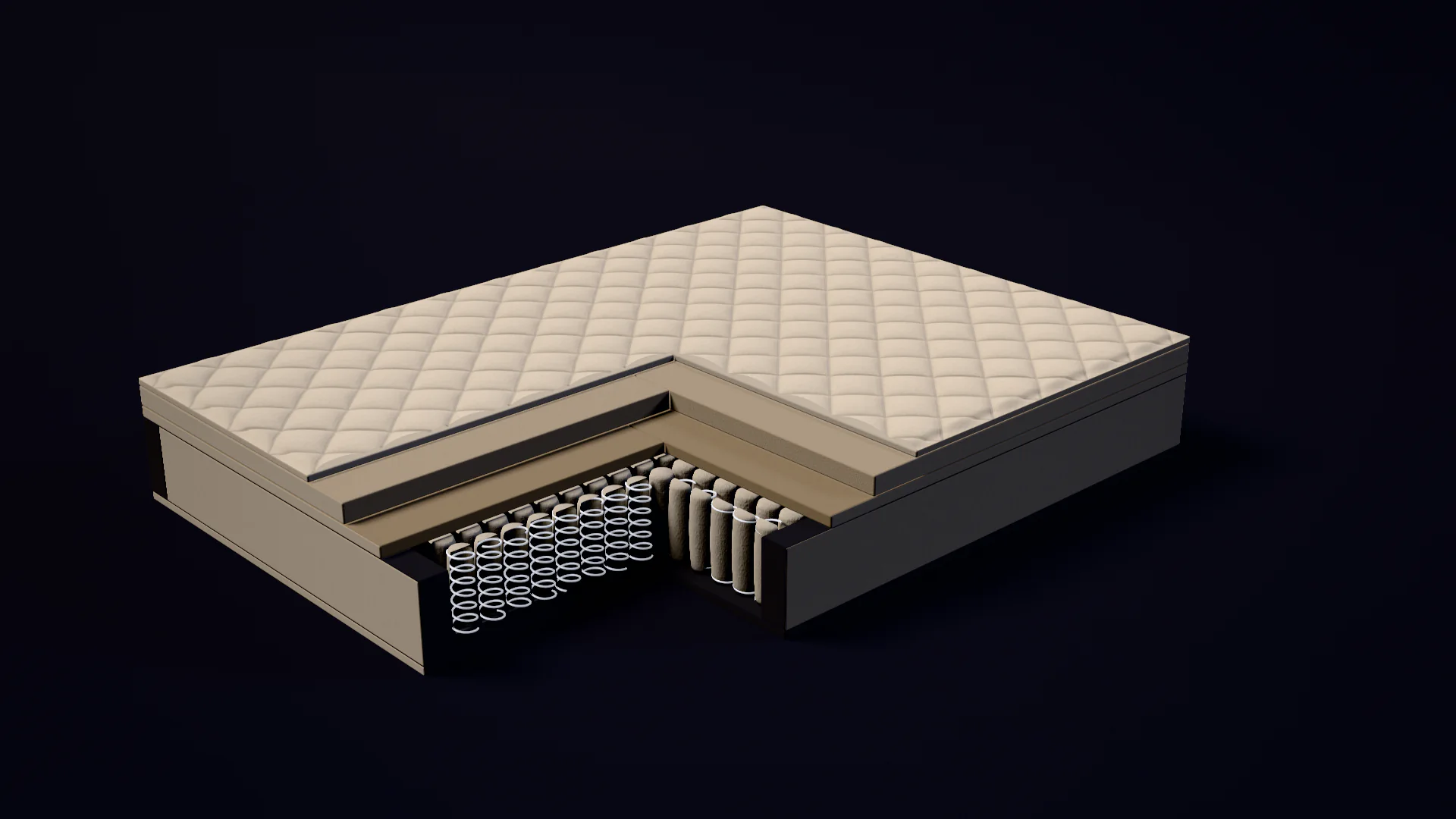
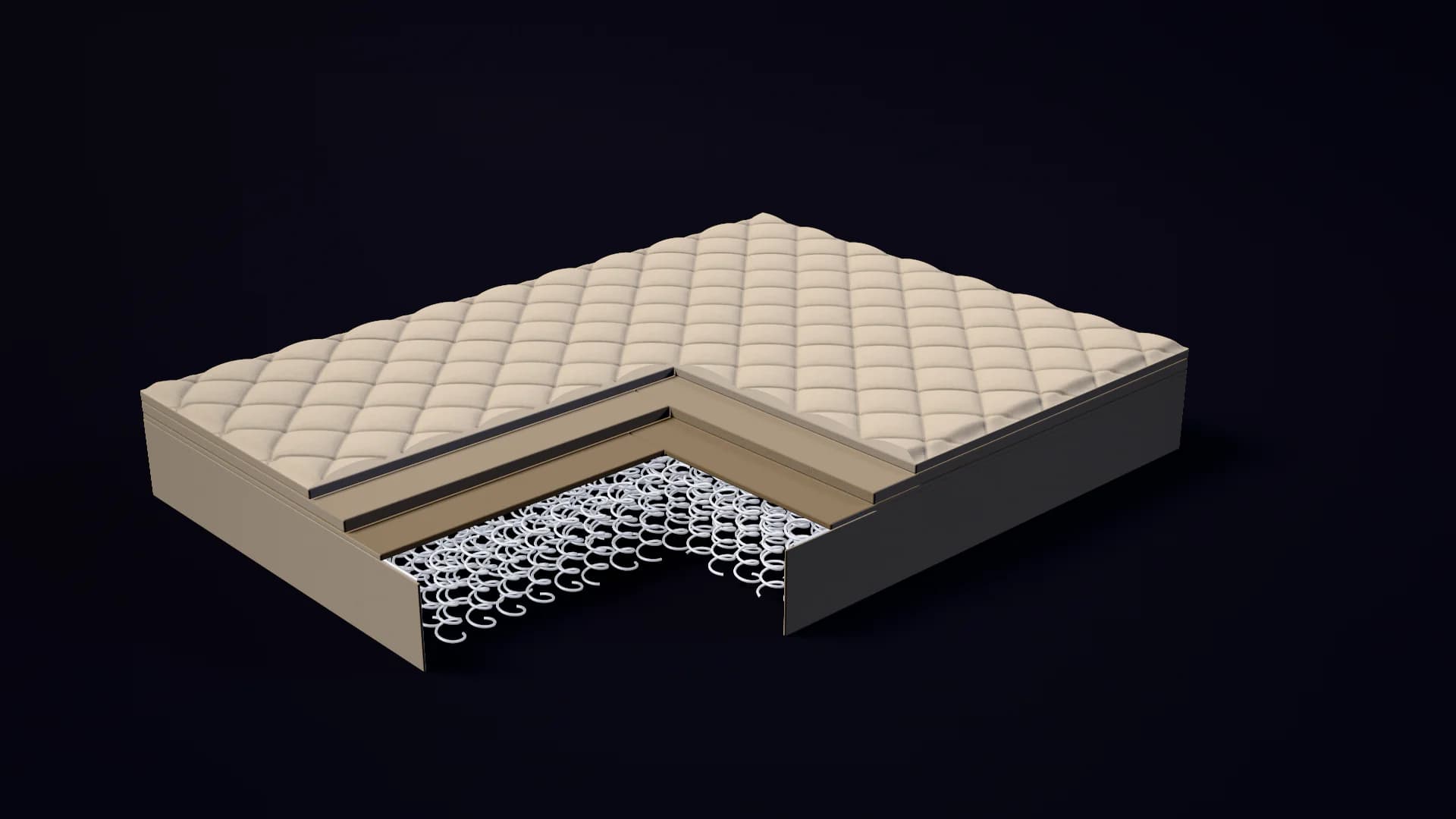
The biggest difference is the core. Coil cores, in hybrids and innersprings, are mostly open space, so air can move through the mattress. Dense foam cores have no such channel. That is why, as a group, coil mattresses tend to sleep cooler than all-foam ones, and why our comparison of real cooling ratings shows how much the types overlap in practice.
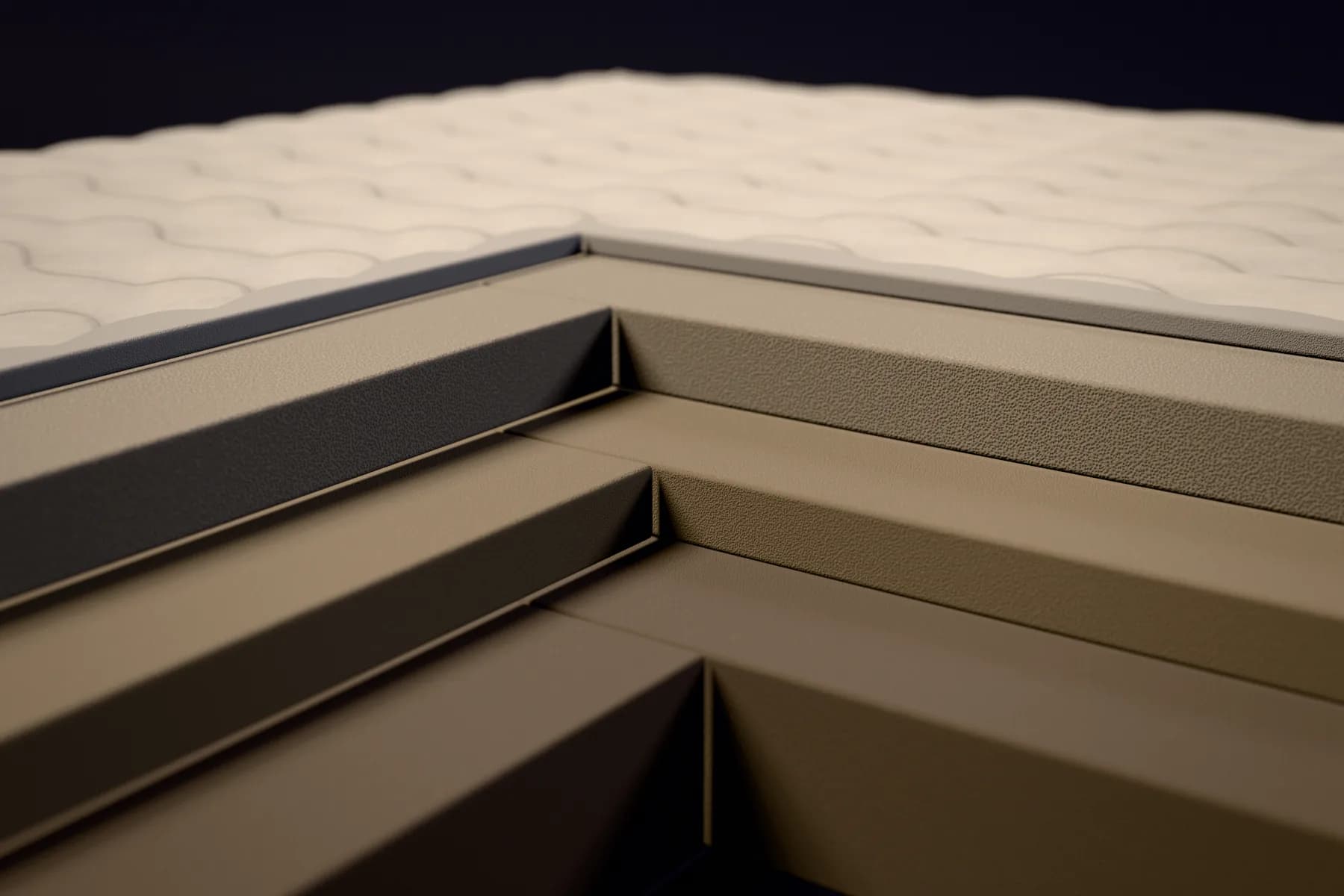
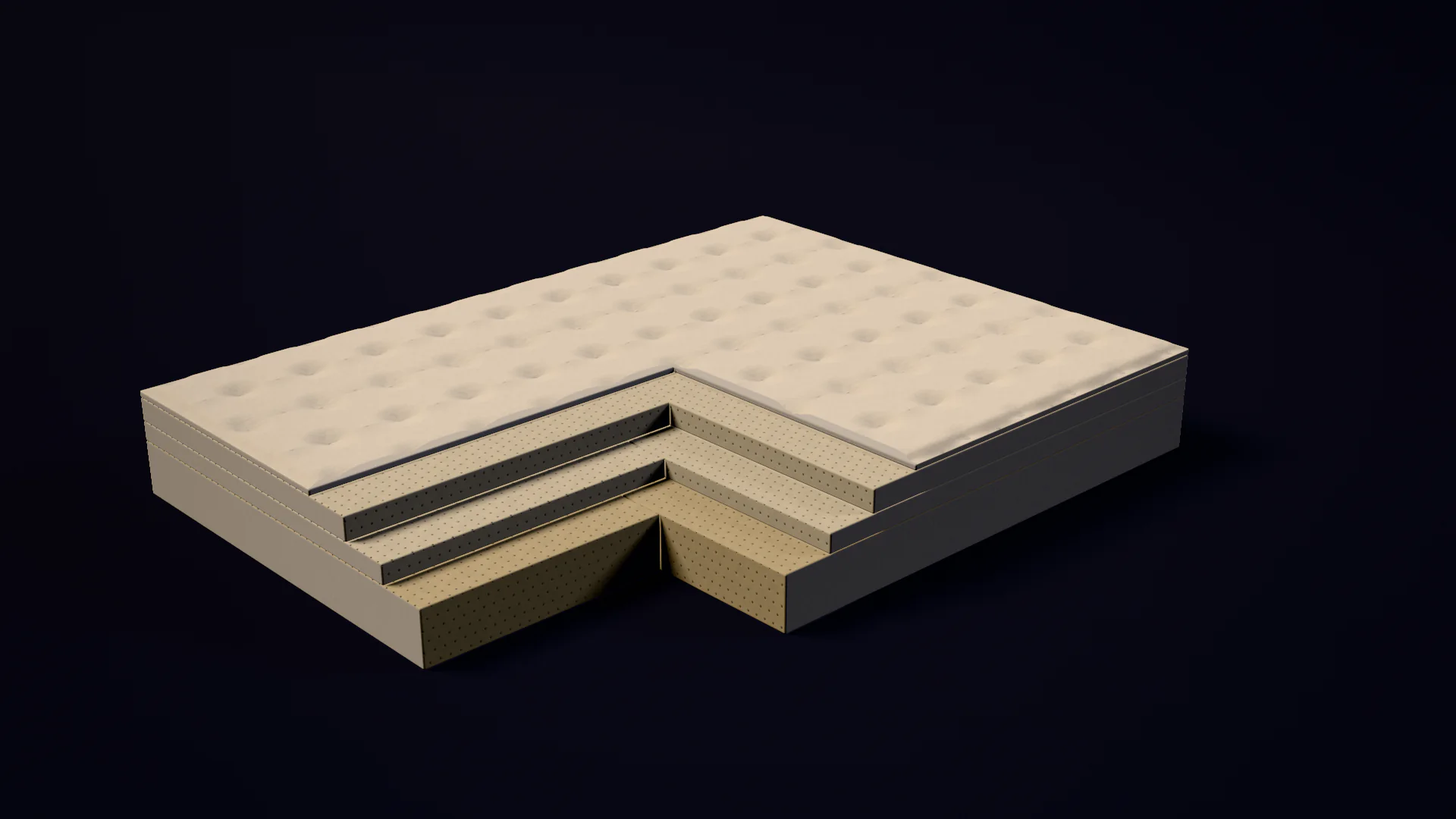
The comfort layers come next. Thick, slow memory foam lets you sink in, which increases the area of you that is wrapped in material. Firmer or springier layers, including latex, let you sit more on top.
Features such as gel infusions, phase-change covers and “cooling” fabrics can make the surface feel cool to the touch when you lie down. Whether they make a lasting difference through the night varies a great deal, which is why we rely on independent cooling ratings rather than feature lists.
The rest of the bed
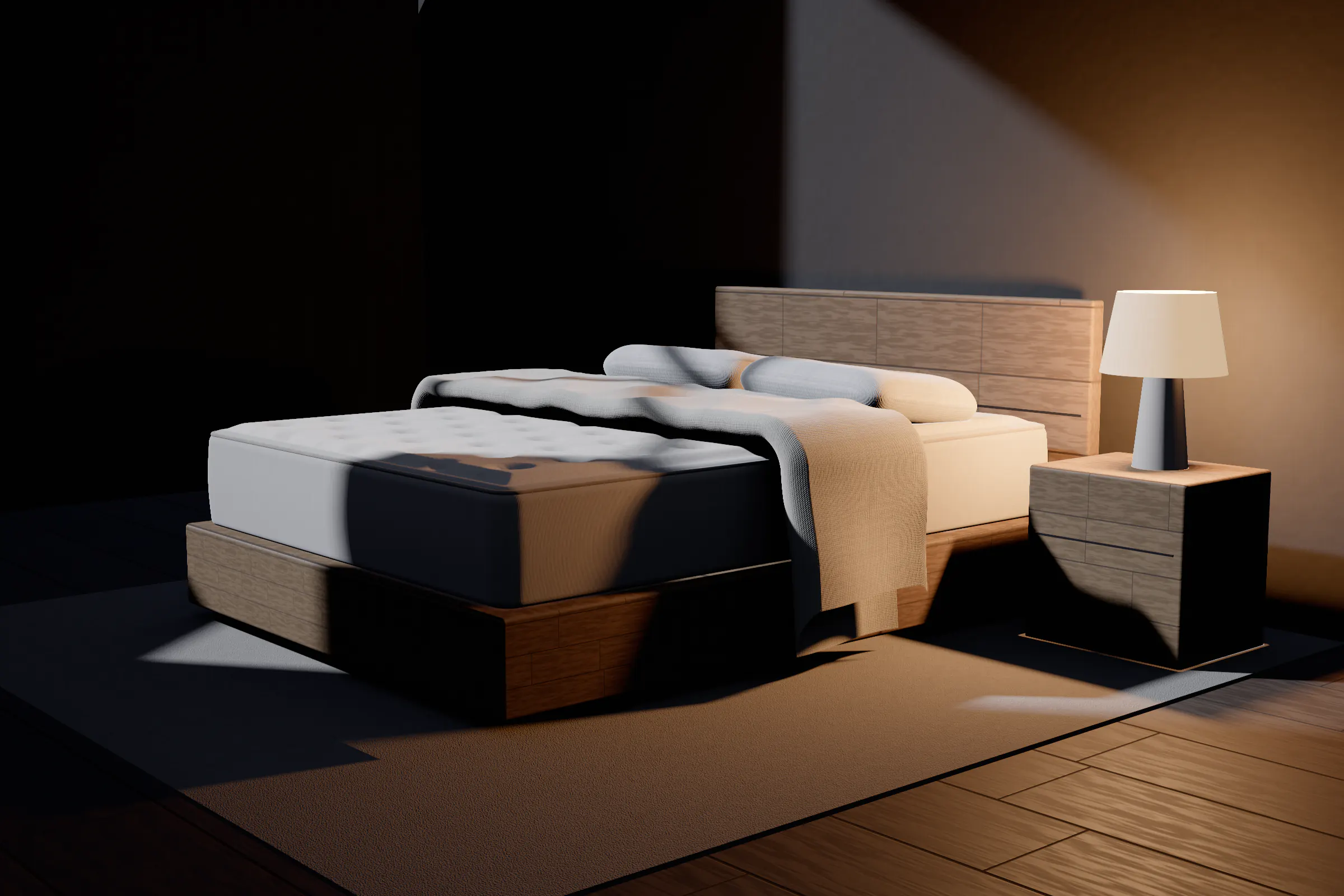
A mattress is one layer of several. A few cheaper changes can matter as much:
- Room temperature. The Sleep Foundation suggests a cool bedroom, around 65°F (18.3°C), suits most people, give or take a few degrees.
- Sheets and bedding. Breathable natural fibers and a lighter duvet are an easy first step. A thick mattress protector or a foam topper can undo the airflow of a coil mattress.
- Pillows. Your head gives off heat too, and dense foam pillows can hold it.
If you regularly wake up hot or sweating whatever you change, that is worth mentioning to a doctor. A mattress will not solve it.
How your answer changes the score
A mattress’s cooling score is the same for everyone: it comes from an independent cooling rating where the catalog has one, and otherwise from a capped estimate for its construction type, marked Estimated. What changes is how much that score counts for you.
- Tell us you sleep hot and cooling counts 2× its default weight.
- Tell us you sleep cold and it counts 0.5×, because airflow is not a benefit if you already feel the cold.
- If you sleep hot and a mattress scores 6.5/10 or lower on cooling, your results show a “may sleep warm” watch-out with practical mitigations.
Weights are re-balanced to add up to 100%, so doubling cooling means the other five dimensions each count for a little less. The full model is on How It Works.