Firmness & supportGuide 04 of 11

Back support for heavier back sleepers

Back sleepers: window by body weight
Body weightComfort window
Under 130 lb4–7/10
130–179 lb5–8/10
180–229 lb6–9/10
230 lb and up7–10/10
Back sleepers: window by body weight14710Under 130 lb130–179 lb180–229 lb230 lb and up← softerfirmer →
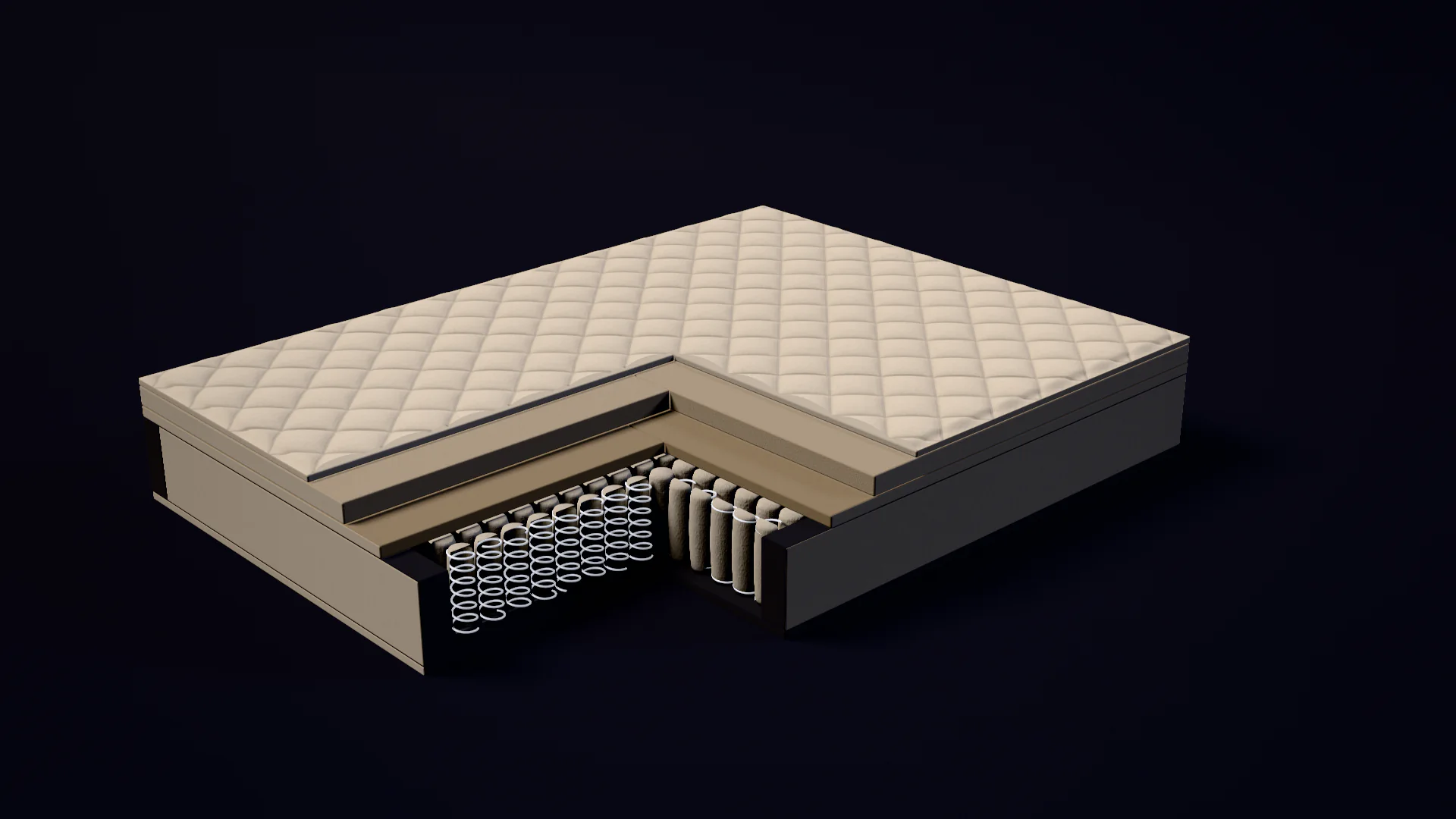
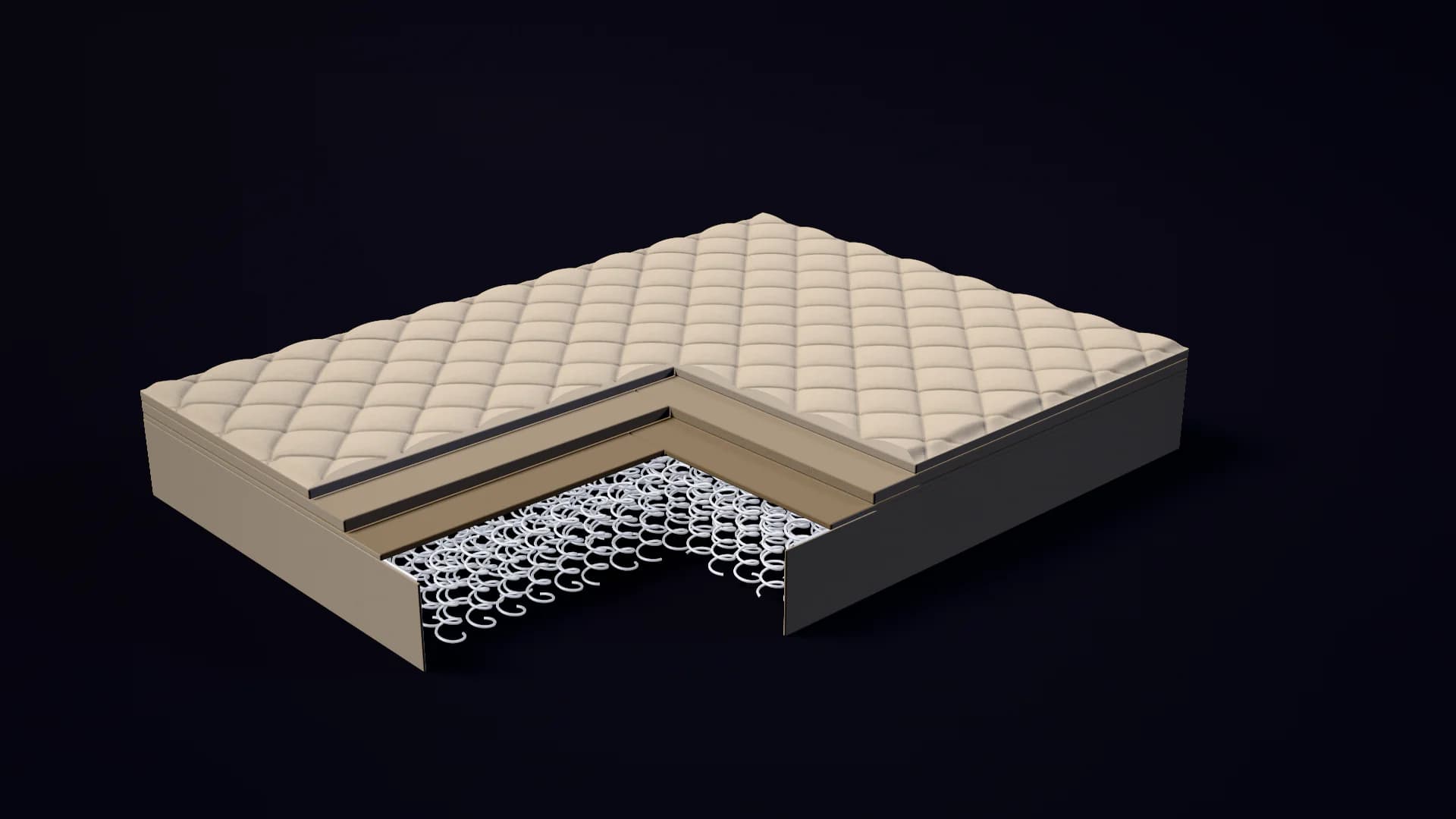
Illustration: close-up of pocketed support coils, some pockets cut open to show the steel springs — rendered artwork, not a product photoIllustration
Left: the back-sleeper comfort window at each body weight, from scoring rules v0.2. Right: an original rendered illustration, not a product photo.

Support is about how level you lie tonight. Durability is about whether that is still true in a few years. At higher body weights you need to check both.

Why weight changes the answer

On your back, your weight is spread widely, but your hips and pelvis still carry a large share of it. The job of the mattress is to stop them sinking below the line of your shoulders. The heavier you are, the further the same materials compress, so the firmness needed to hold that line goes up.

In our scoring rules, the comfort window for a back sleeper under 130 lb is 4–7/10. At 230 lb and above it is 7–10/10. The chart above shows every step in between. A mattress that is perfect for a lighter partner can be noticeably too soft for a heavier one, even though it is the same mattress.

Support and durability are not the same thing

Support is how level you lie on the mattress as it is today. Durability is whether it will still hold you that way after a few years. Higher loads tend to compress comfort layers and foam cores faster, so a mattress can be supportive for a heavier sleeper now and lose that support sooner than it would for a lighter one.

That is why it is worth reading the support and durability scores together, and reading any watch-outs before the headline number. A strong overall score with a durability warning is still a durability warning.

How the engine handles heavier sleepers

A few rules change when you tell us you weigh 230 lb or more:

  • Durability counts 1.5× its default weight and support 1.1×. As a back sleeper, support gets a further 1.15×; reporting lower-back discomfort adds 1.4× more.
  • All-foam mattresses lose 1 point of durability, because foam cores tend to compress faster under higher sustained loads than coil cores.
  • If a mattress’s independent durability rating is below 7/10, your results show a sag-risk watch-out with a suggestion to check the warranty’s sag terms.

The engine never raises that warning from an estimate. If no durability rating is on file, the dimension is marked Estimated instead, so you know the gap exists. See the full rules on How It Works.

What to check before you buy

  • Find your comfort window for your weight, and look for a firmness near its center rather than at the soft edge.
  • Prefer a supportive core: pocketed coils or a dense foam or latex base, rather than a thin core under thick soft layers.
  • Read the warranty’s definition of a sag: the depth that counts as a defect, and how it must be measured. Our buying checklist explains what to look for.
  • If you sit on the edge to get up, check edge support too; see edge support explained.
How this guide was made

Written and published by Mattress Match Score. Where this guide describes how mattresses are scored, it quotes the published rules of scoring model v0.2; the full model is on How It Works. We have not lab-tested any mattress ourselves, and this guide is not medical advice.

Ranked by the Match Score engine

Supportive picks for heavier back sleepers

For a 250 lb back sleeper with lower-back discomfort who prefers firm, these rank highest in the current catalog.

Example profile used for this ranking

  • Back sleeper
  • 250 lb
  • Prefers firm
  • Neutral temperature
  • Lower-back discomfort
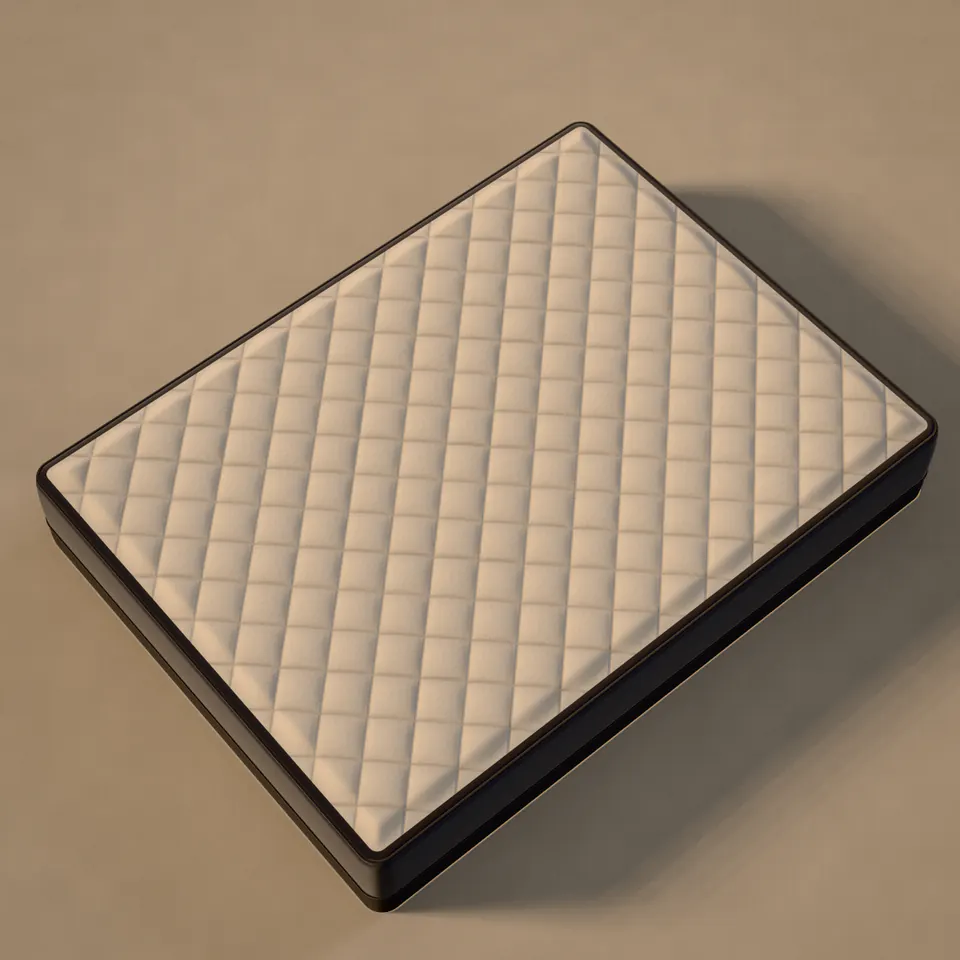
  1. Illustration of a hybrid mattress — not a product photo

    Strong match86/100 for the example profile

    Its firmness (about 8.5/10) sits inside the 7–10/10 range that keeps a back sleeper at your weight aligned.

    Type
    Hybrid
    Firmness
    Firm
    Queen price
    $699
    Trial
    365 nights
  2. Illustration of a hybrid mattress — not a product photo

    Rank 2: Purple

    Purple Rejuvenate

    Strong match86/100 for the example profile

    Its firmness (about 8.5/10) sits inside the 7–10/10 range that keeps a back sleeper at your weight aligned.

    Type
    Hybrid
    Firmness
    Firm
    Queen price
    $5,499
    Trial
    100 nights
  3. Illustration of a hybrid mattress — not a product photo

    Strong match85/100 for the example profile

    Its firmness (about 7.5/10) sits inside the 7–10/10 range that keeps a back sleeper at your weight aligned.

    Type
    Hybrid
    Firmness
    Medium-firm
    Queen price
    $1,699
    Trial
    120 nights

Scores are calculated live by scoring model v0.2 for the example profile above, not for you. Change any answer and the order can change. No brand paid to appear here.

FAQ

Questions readers ask

What firmness should a heavier back sleeper choose?

In our scoring rules, a back sleeper at 230 lb and up has a comfort window of 7–10/10. Mattresses near the middle of that window score best on support; your own preference decides between them.

Are hybrids better than foam for heavier sleepers?

Often, because a coil core tends to resist deep sinking and compression better than a foam core. The engine reflects this with a small support adjustment and a durability penalty for all-foam at 230 lb and above, but a mattress’s own ratings matter more than its type.

Why does my mattress feel softer than it did?

Comfort layers soften with use, and heavier loads speed that up. If you can see or measure a dip where you sleep, check the warranty’s sag threshold, which is the depth the manufacturer counts as a defect.

Support depends on your weight. So should your shortlist.

Tell us how you sleep and the engine applies the heavier-sleeper rules only where they apply to you.