Two things that shape a night
Before the mattress does anything, two things are already shaping how you sleep: how warm you are and how you lie. This guide summarizes what public sleep research and the Sleep Foundation say about each, then shows how the Match Score uses both.
It is general information, not medical advice. Loud snoring, pauses in breathing, frequent heartburn at night or waking hot and sweating are worth raising with a doctor; no mattress treats them.
Your body cools down to sleep
Core body temperature follows a daily rhythm: it decreases during the night and increases while you are awake. According to the Sleep Foundation, the drop starts about two hours before you go to sleep, around the time your body releases the sleep hormone melatonin.
A 2012 review of thermal environment and sleep found that sleep is most likely to begin while core temperature is falling and rarely begins while it is rising. Once you are asleep, it keeps falling.
What heat does to sleep
The same review reports that heat exposure increases wakefulness and reduces slow-wave (deep) sleep and REM sleep, and that these effects are concentrated in the early part of the night. Humid heat is worse than dry heat, because sweat cannot evaporate as easily.
REM sleep is a particularly exposed stage: during REM the body largely stops regulating its temperature by sweating or shivering, so the room has more influence. The Sleep Foundation notes that very hot rooms appear to shorten REM sleep, and that a higher core temperature has been linked with less slow-wave sleep.
Cold behaves differently. In the studies the review describes, people with adequate bedding and clothing slept through cool rooms with their sleep stages largely unaffected.
The room and the bed
The Sleep Foundation recommends a bedroom between 65 and 68°F (18.3–20°C), with about 65°F (18.3°C) as a good target for most adults. What matters to your skin is the small climate under the covers: the review describes it as staying around 32–34°C (about 90–93°F) and 40–60% relative humidity when people sleep normally.
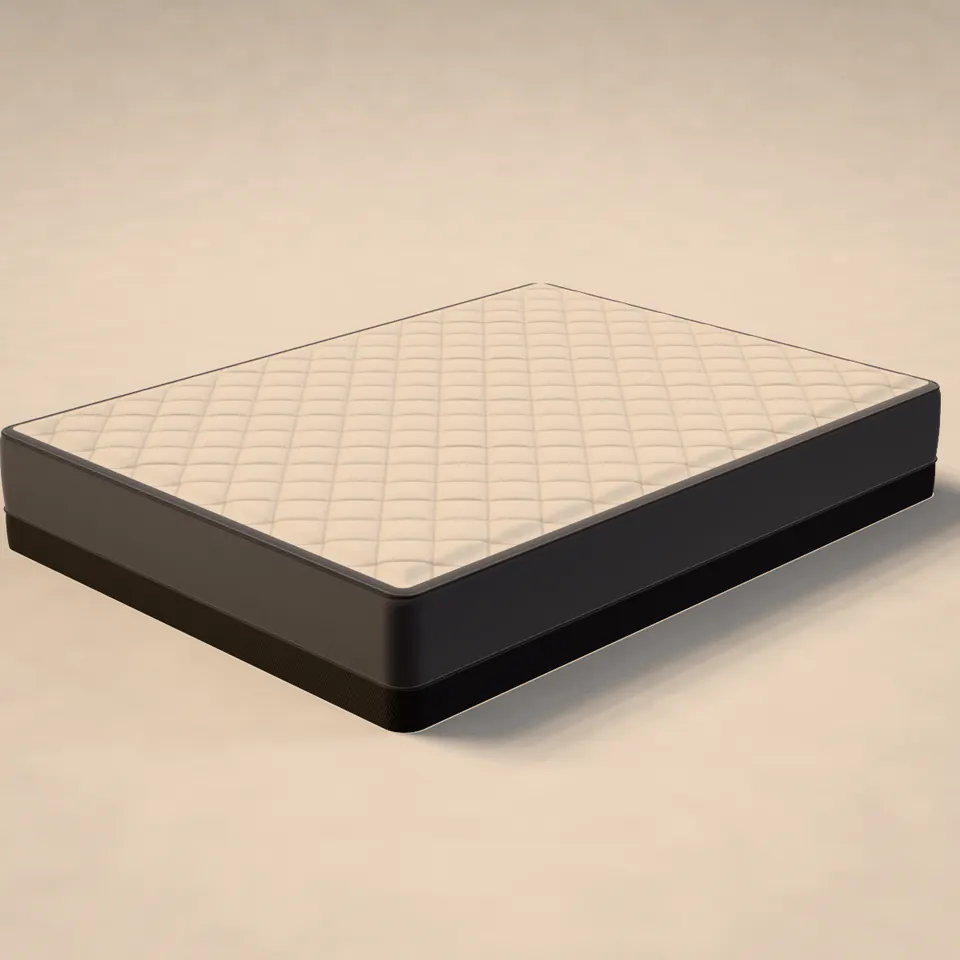
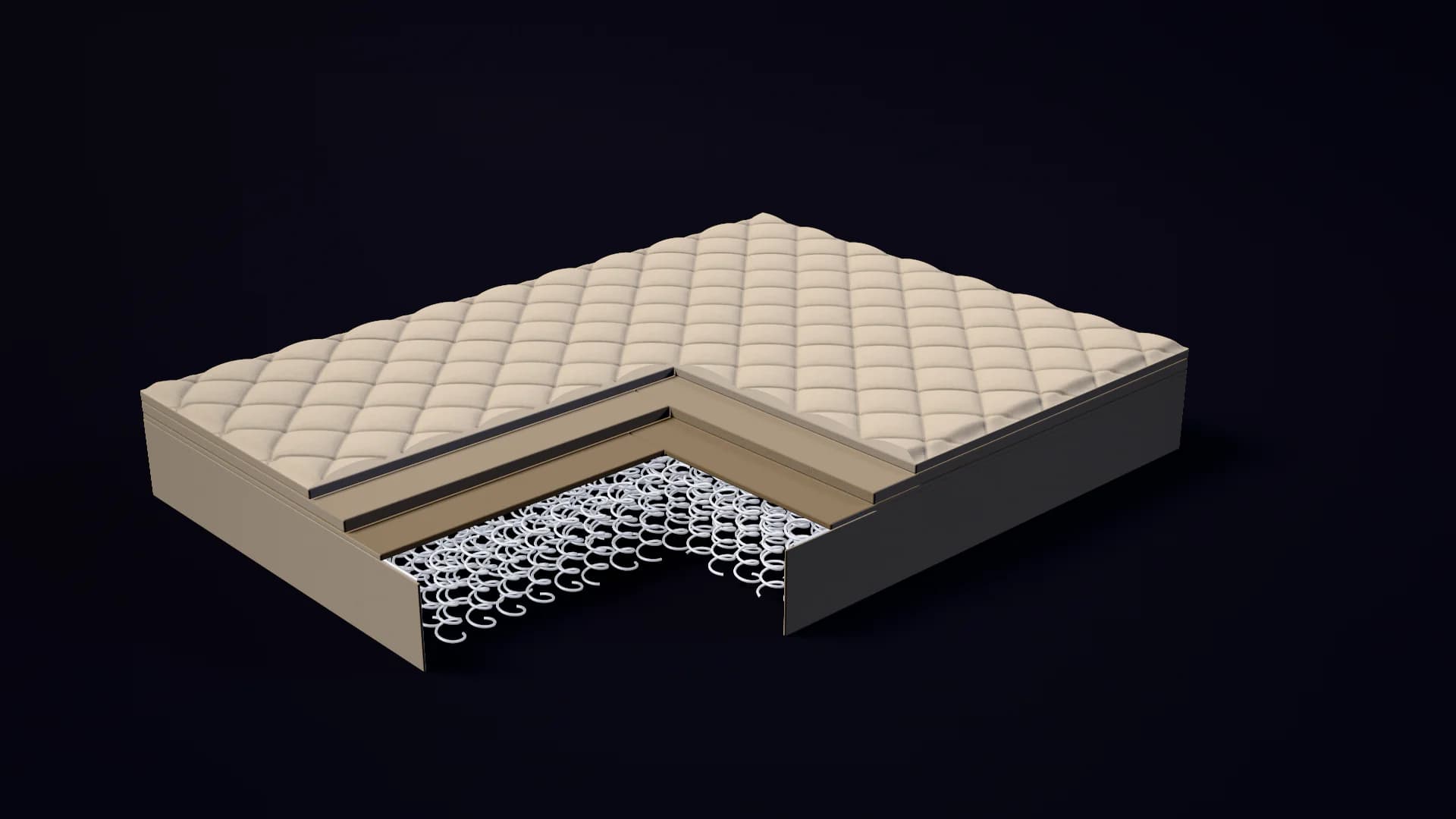
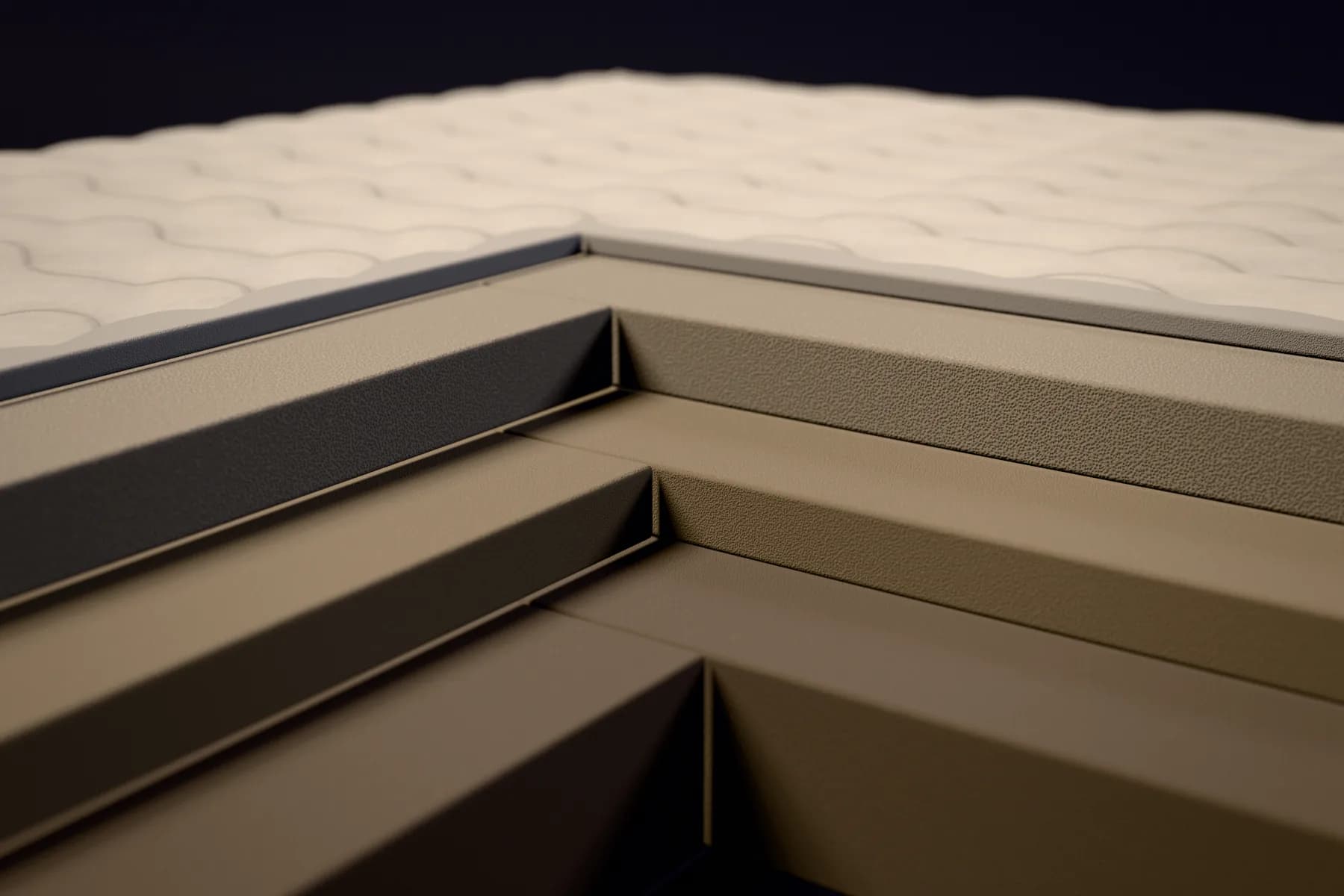
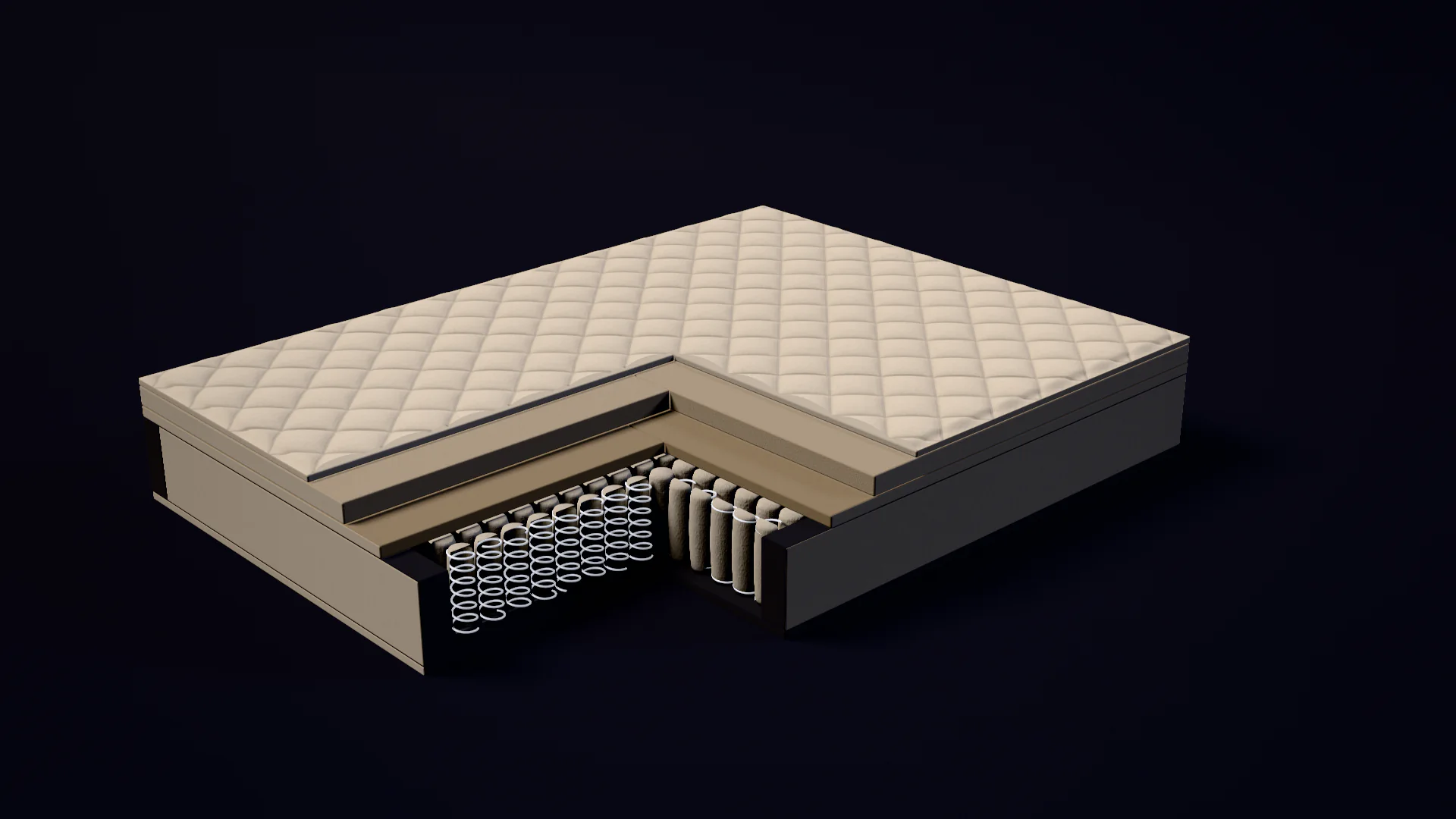
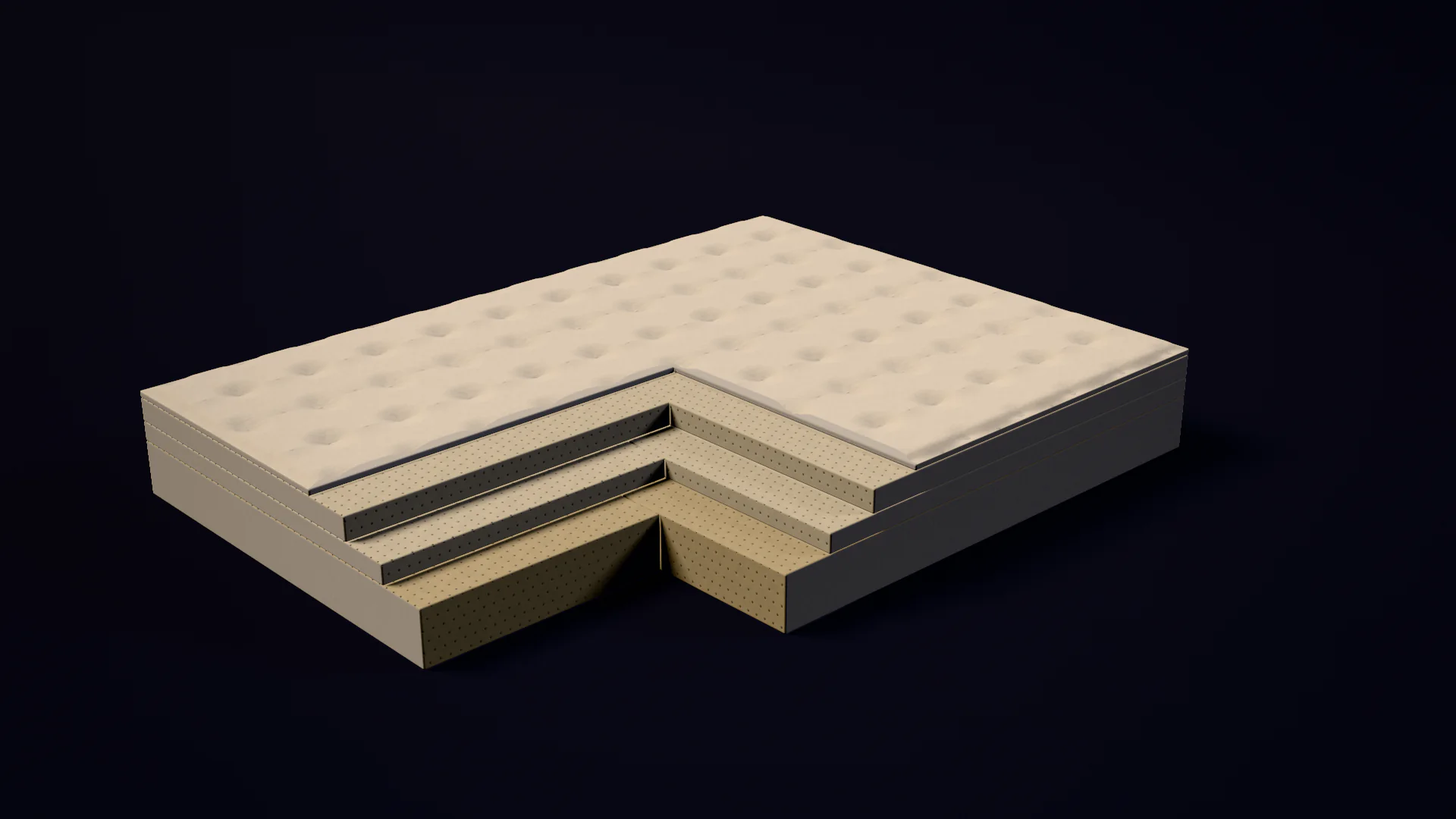
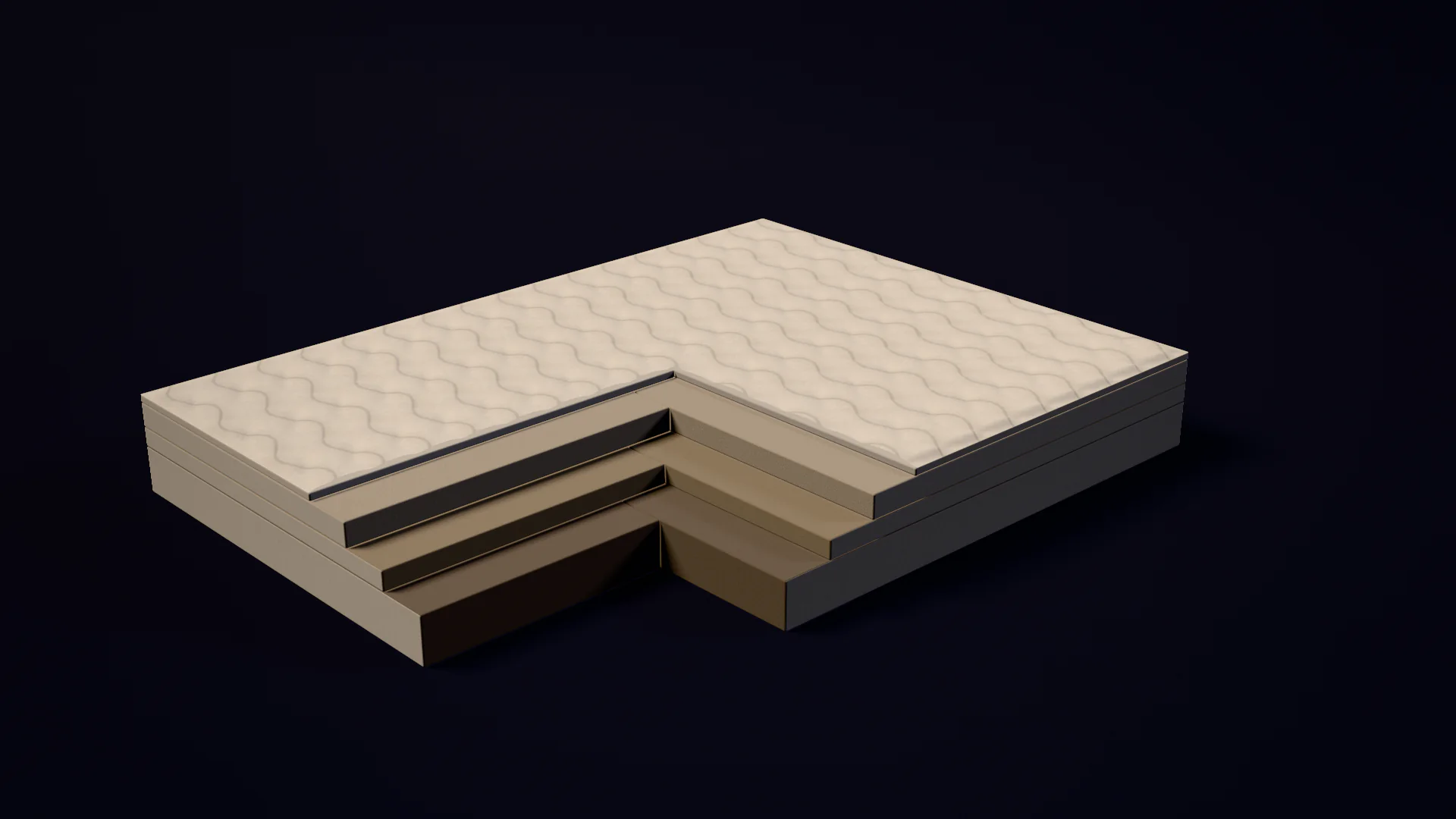
A mattress is one part of that climate. The review cites research in which a mattress with less thermal insulation lowered core temperature without changing sleep stages. In plain terms: the mattress can make the bed warmer or cooler, but the evidence that it changes how well you sleep is thinner than for the room itself.
So fix the cheap things first: room temperature, lighter or more breathable bedding, and nothing thick and insulating between you and the mattress. Our guide for hot sleepers covers which constructions breathe better.
What your sleep position changes
The Sleep Foundation’s guidance on positions goes beyond comfort:
- Back. It can keep the spine in line with good pillow support, but it is the worst position for obstructive sleep apnea and can make reflux worse.
- Side. Side sleeping is typically better for sleep apnea, and the left side is usually the easiest for heartburn and reflux; the right side can make reflux worse. The left side is also the position commonly advised during pregnancy.
- Stomach. It may reduce snoring, but it gives the least back support of any position and is generally not recommended.
If you snore loudly or have been told you stop breathing in your sleep, see a doctor rather than relying on a change of position or mattress.
How position changes the Match Score
Position is the first thing the quiz asks, because it moves the firmness range the engine treats as comfortable. For a sleeper between 130 and 179 lb, the published rules set these windows:
| Sleep position | Comfort window |
|---|---|
| Side | 3–6/10 |
| Back | 5–8/10 |
| Stomach | 6–9/10 |
| Combination | 5–8/10 |
It also shifts what counts most:
- Side: pressure relief counts 1.3× its default weight.
- Back: support counts 1.15×.
- Stomach: support counts 1.25× and pressure relief 0.8×, because sinking at the hips matters more than cushioning.
Each position has its own page with the windows at every body weight: side, back, stomach and combination.
How temperature changes the Match Score
The quiz asks whether you sleep hot, cold or neither. Sleep hot and cooling counts 2× its default weight; sleep cold and it counts 0.5×. If you sleep hot and a mattress scores 6.5/10 or lower on cooling, your results show a watch-out.
A mattress’s cooling score comes from an independent rating where one exists, and otherwise from a capped estimate for its construction type, marked Estimated. See the ratings we have on file and the full model on How It Works.